Ever wish you could step out your front door for coffee, grab fresh produce on Saturday, and be on a forested trail a few minutes later? Mount Pleasant offers that rhythm in a compact slice of Northwest D.C. If you’re weighing a move, you want to know what daily life feels like, what homes look like, how far the Metro is, and how prices stack up. This guide walks you through the essentials so you can decide if Mount Pleasant fits your lifestyle. Let’s dive in.
Neighborhood snapshot
Mount Pleasant sits along the eastern edge of Rock Creek Park with quick access to Adams Morgan and Columbia Heights. You’ll find tree-lined blocks of early 20th‑century rowhouses and a small but lively main street on Mount Pleasant Street NW, often described as a “village in the city” for its walkable scale and local flavor. Get a feel for the area’s mix of shops and green space from this overview of things to see and do in Mount Pleasant.
Much of the neighborhood falls within the Mount Pleasant Historic District, which shapes the architecture you see and the way renovations are handled. If you value preserved character and cohesive streetscapes, this matters. You can learn more about the district’s history and significance in the National Park Service listing.
Daily life on Mount Pleasant Street
The heart of day-to-day life runs along Mount Pleasant Street NW. Within a few blocks, you can grab coffee, pick up groceries, and choose from a range of casual restaurants. The dining scene blends long-standing Latin American and international eateries with newer chef-driven spots. For a taste of local favorites, explore this curated list of Mount Pleasant restaurants and bars.
Weekends often center on the neighborhood farmers market and meetups at Lamont Park, a small pocket park that feels like a community living room. Local businesses receive active support through the Columbia Heights/Mount Pleasant Main Street program, which helps keep the corridor vibrant. Learn more about those efforts through District Bridges’ Main Street page.
Parks, trails and outdoor access
Living beside Rock Creek Park is a major lifestyle perk. You can be on wooded trails in minutes for a run, a dog walk, or a quiet afternoon. The park’s network connects you to picnic areas and the National Zoo. If you’re new to the park, this guide to things to do in Rock Creek Park is a helpful start.
Recent trail work improved bike and pedestrian links across the park, making off-road routes practical for commuting and weekend rides. The Klingle Valley Trail connecting Mount Pleasant and Woodley Park is a standout example. Between the park trails and neighborhood streets, many residents choose to get around on foot or by bike for everyday errands.
Housing styles and what to expect
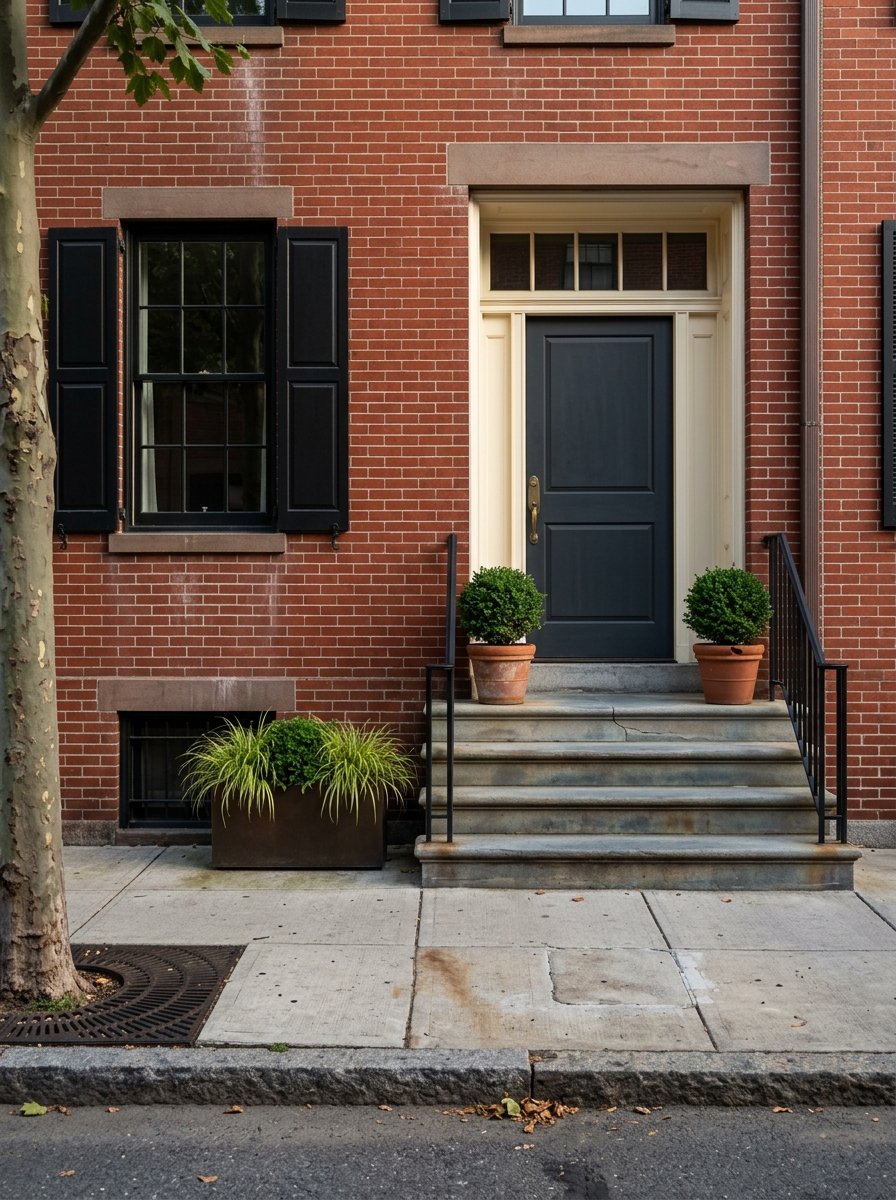
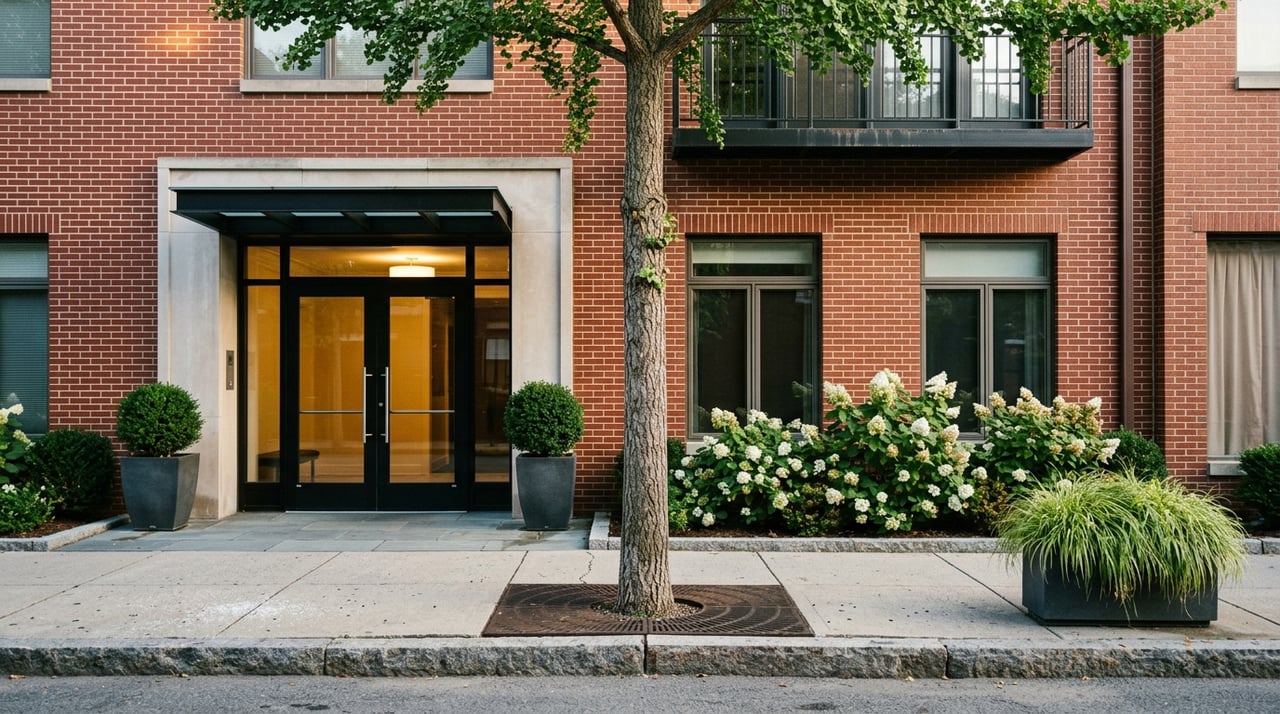
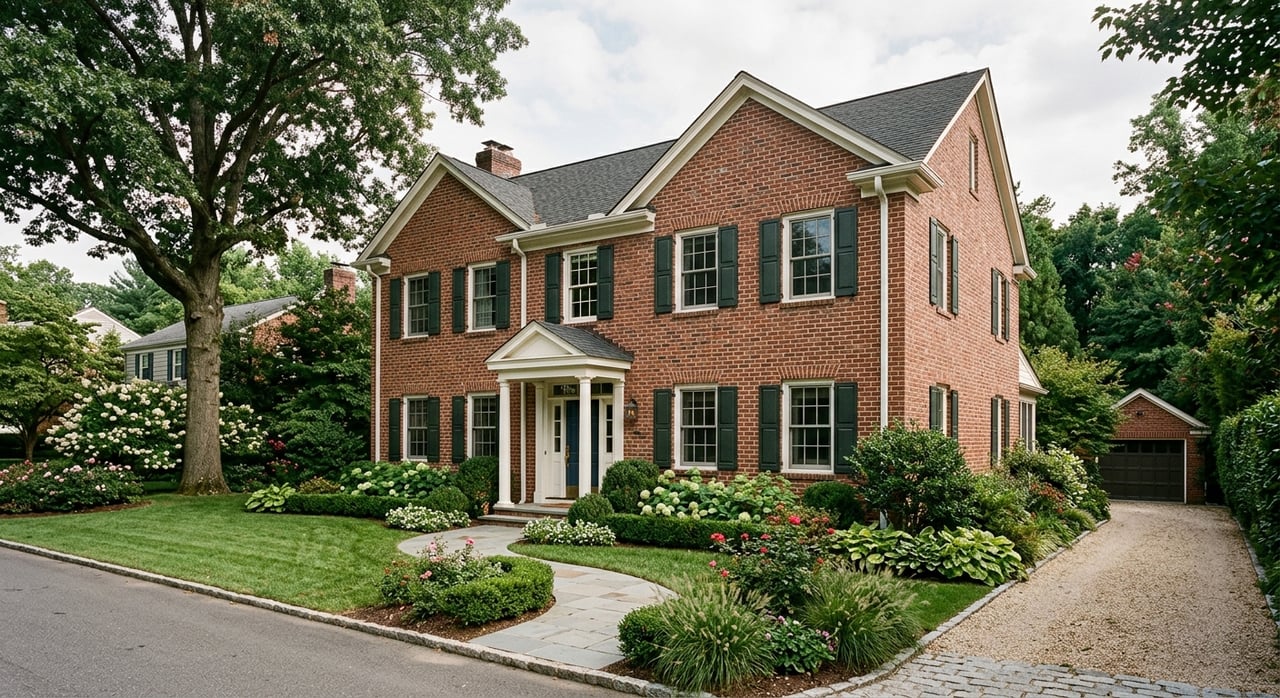
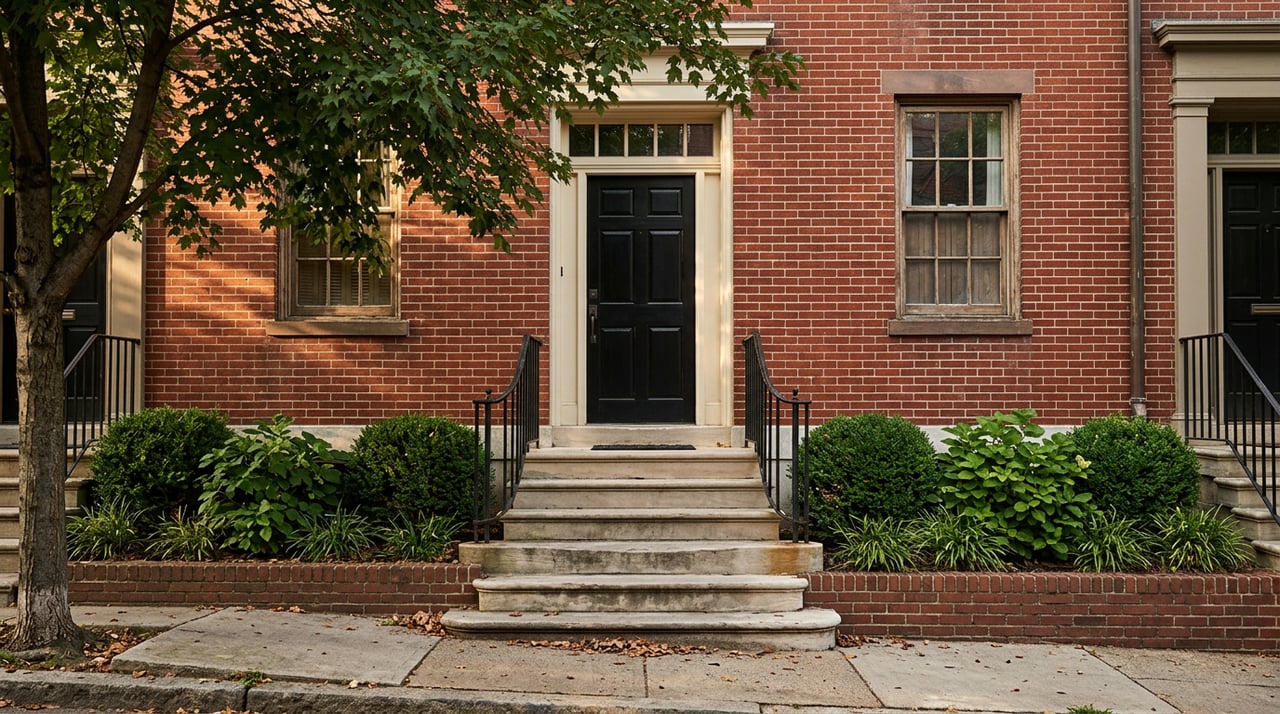
Mount Pleasant’s housing stock leans historic. You’ll primarily see brick rowhouses and townhouses from the early 1900s, plus small apartment and co-op buildings, with some larger historic homes and modest mid-rise apartments closer to 16th Street. For a concise overview of the area’s architecture, see this profile of the Mount Pleasant Historic District.
Historic character brings benefits and tradeoffs. Many homes feature original details, elevated front stoops, and smaller lot sizes. Off-street parking can be limited. If you plan to renovate, expect to align with historic guidelines in parts of the neighborhood. That extra care protects the streetscape and long-term appeal.
Prices and market signals
As of early 2026, neighborhood median sale prices sit well north of $1 million, putting Mount Pleasant notably above the broader D.C. city median. Price levels reflect the location, historic housing stock, and strong demand for close-in neighborhoods.
Through 2024 and 2025, the Washington region saw tight inventory and high prices, with some cooling patterns tied to interest rates and return-to-office shifts. Close-in pockets like Mount Pleasant often remained resilient, and well-presented rowhouses continued to draw competitive attention. For a big-picture view of recent dynamics, see the Washington Post’s look at changes in the area housing market.
Practical takeaway: set a budget band based on property type. A one-bedroom condo, a classic rowhouse, and a larger historic home can sit in very different ranges. If you’re early in your search, keep options open while you learn the blocks, floor plans, and renovation levels that fit you.
Renting in Mount Pleasant
If you’re starting with a rental, aggregated data points to average neighborhood rents in the high-$1,000s. For example, RentCafe reported an average around $1,859 per month in January 2026. One-bedroom medians often land near $2,000, with many two-bedrooms in the $2,300 to $2,700 range depending on building and condition. You can browse neighborhood-level averages on RentCafe’s Mount Pleasant page.
Getting around: Metro, buses and bikes
There is no Metrorail station inside Mount Pleasant’s commercial core. Most residents walk to the Columbia Heights station on the Green and Yellow lines, which WMATA notes is within walking distance of Mount Pleasant and Adams Morgan. Check service details on the Columbia Heights station page.
You’ll also find Metrobus routes along 16th Street NW and nearby corridors. For cyclists, Capital Bikeshare docks and the Klingle Valley connections make biking a pleasant option. Many daily errands are doable on foot, which reduces the need for a car for some households.
Schools, library and civic life
Neighborhood listings frequently reference nearby public schools such as Bancroft Elementary, Deal Middle, and Jackson-Reed High School. School assignments and choice policies can change, so confirm current boundaries and enrollment details directly with D.C. Public Schools when you are ready to take next steps.
The Mount Pleasant Neighborhood Library, housed in a landmark 1920s building, and Lamont Park both serve as gathering places. Civic life is active, with residents participating in ANC meetings and neighborhood groups. The local Main Street program supports small businesses, events, and streetscape improvements through District Bridges.
Is Mount Pleasant a fit for you?
Mount Pleasant may be a strong match if you want:
- A walkable setting with a true main street of independent shops and restaurants.
- Everyday access to Rock Creek Park and multi-use trails.
- Historic architecture and a cohesive streetscape.
- A multicultural dining scene and weekend market vibe.
Key tradeoffs to weigh:
- Pricing sits above the D.C. city median, especially for rowhouses.
- Many homes lack off-street parking; street parking norms vary by block.
- There’s no internal Metro station; most use Columbia Heights or nearby Red Line stops.
- Historic guidelines can add steps and standards to renovation planning.
- Inventory is limited in a compact neighborhood, so timing matters.
Tips for buyers
- Set a range by property type. Compare condos vs. rowhouses vs. larger homes so you can move fast when the right fit appears.
- Get pre-approved early. Competitive homes can draw multiple offers in close-in neighborhoods.
- Review historic considerations. If you plan to add or alter exterior features, factor in guidelines, permitting, and timelines.
- Ask about parking and storage. Understand alley access, residential permit zones, and basement or shed options.
- Walk the blocks at different times. Evening street activity, bus stops, and weekend rhythms can shape daily life.
Tips for sellers
- Presentation is powerful. Staging, professional photography, and video or virtual tours help your home stand out in a high-demand, detail-oriented market.
- Highlight the lifestyle. Proximity to Rock Creek Park, the main street, and transit access can be as compelling as bed-bath counts.
- Time your launch. Coordinate with local seasonality and market activity for maximum impact.
- Lead with condition and care. Buyers value well-maintained historic details and clear upgrade histories.
Ready to explore Mount Pleasant?
If Mount Pleasant’s walkability, park access, and historic charm speak to you, we’re here to help you weigh the tradeoffs and find the right fit. Connect with the family-run team at Levin Group Real Estate for a personalized consultation and a clear plan for your next move.
FAQs
What is the overall vibe of Mount Pleasant’s main street?
- It’s a compact corridor of independent cafés, markets, and international restaurants with a “village-in-the-city” feel, as highlighted in this Mount Pleasant guide and Eater’s local roundup.
How close is Rock Creek Park and what can you do there?
- The neighborhood borders the park, offering quick access to wooded trails, picnic spots, and the National Zoo; start with this overview of things to do in Rock Creek Park.
How do home prices in Mount Pleasant compare to the D.C. median in early 2026?
- Neighborhood medians are well above the city median and commonly north of $1 million as of early 2026, reflecting strong demand for close-in, historic rowhouse areas.
Which Metro stations are most practical for Mount Pleasant residents?
- Most residents walk to the Columbia Heights station on the Green/Yellow lines; depending on your exact block, Red Line stations like Woodley Park or Cleveland Park can also be convenient. Check the WMATA Columbia Heights station page for service details.
What housing types are common, and what should buyers expect about renovations?
- You’ll mostly find early 1900s brick rowhouses and small apartment or co-op buildings, with some larger homes near 16th Street. In historic areas, exterior changes typically follow established guidelines, as outlined in this district overview.
What are typical rents in Mount Pleasant as of early 2026?
- Aggregated data shows averages in the high-$1,000s, with many one-bedrooms around $2,000 and two-bedrooms in the mid-$2,000s, per RentCafe’s neighborhood snapshot.