Cobblestone underfoot, the Potomac just steps away, and brick rowhouses that tell a story on every block—Georgetown blends old-world charm with a very current, walkable lifestyle. If you are weighing a move here, you are likely balancing history, waterfront access, schools, commute, and price. In this guide, you will learn how Georgetown’s housing really lives, what daily life looks like on M Street and the waterfront, and how to plan around schools, transit, parking, and preservation. Let’s dive in.
Georgetown at a glance
Georgetown is Washington, D.C.’s oldest neighborhood and is listed as the Georgetown Historic District on the National Register of Historic Places. That status shapes everything from its streetscapes to renovation rules. Primary architectural styles include Federal, Late Victorian, and Colonial Revival, reflecting an 18th and 19th century core that still defines many blocks today. You can explore the district’s designation and context through the National Park Service’s registry entry for the Georgetown Historic District.
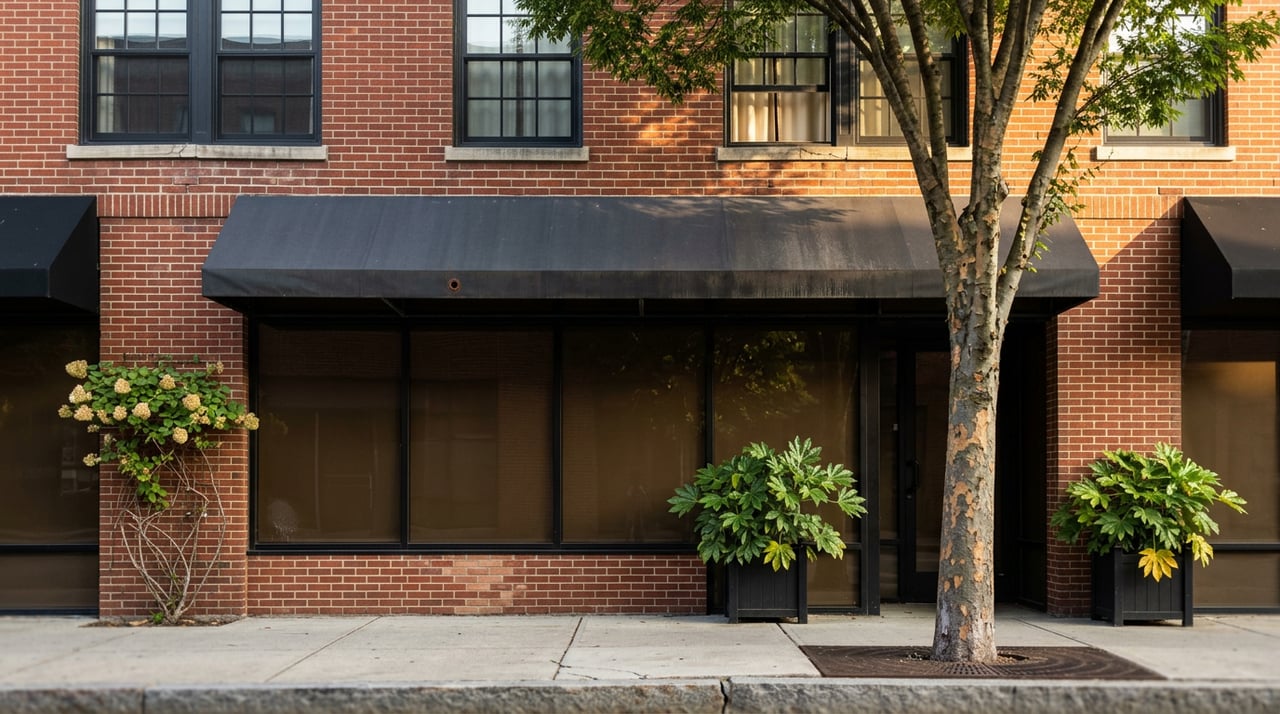
Daily life centers on two areas: the commercial spine along M Street NW and Wisconsin Avenue, and the Potomac riverfront. The Georgetown Business Improvement District (BID) describes a compact, pedestrian-friendly core with hundreds of storefronts, dining options, and services, plus straightforward guidance on how to navigate the area. For a practical overview of routes and logistics, check the BID’s Parking & Getting Here page.
Rowhouse life and housing options
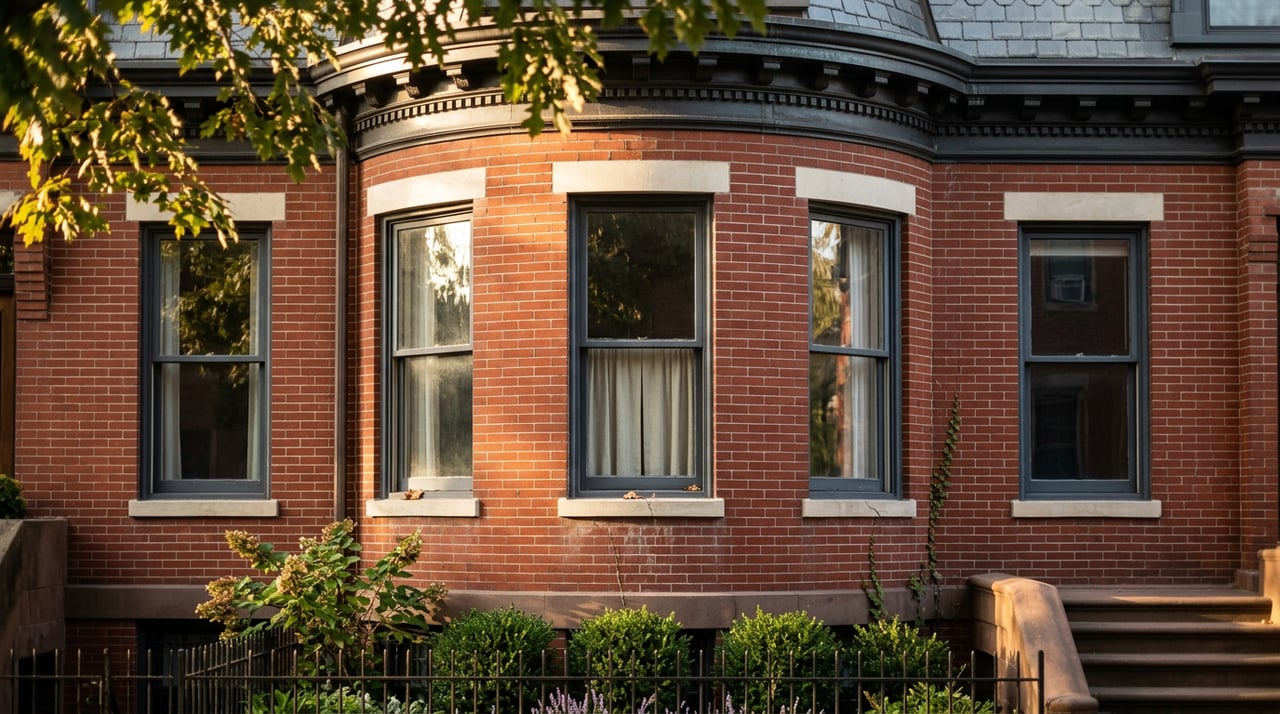
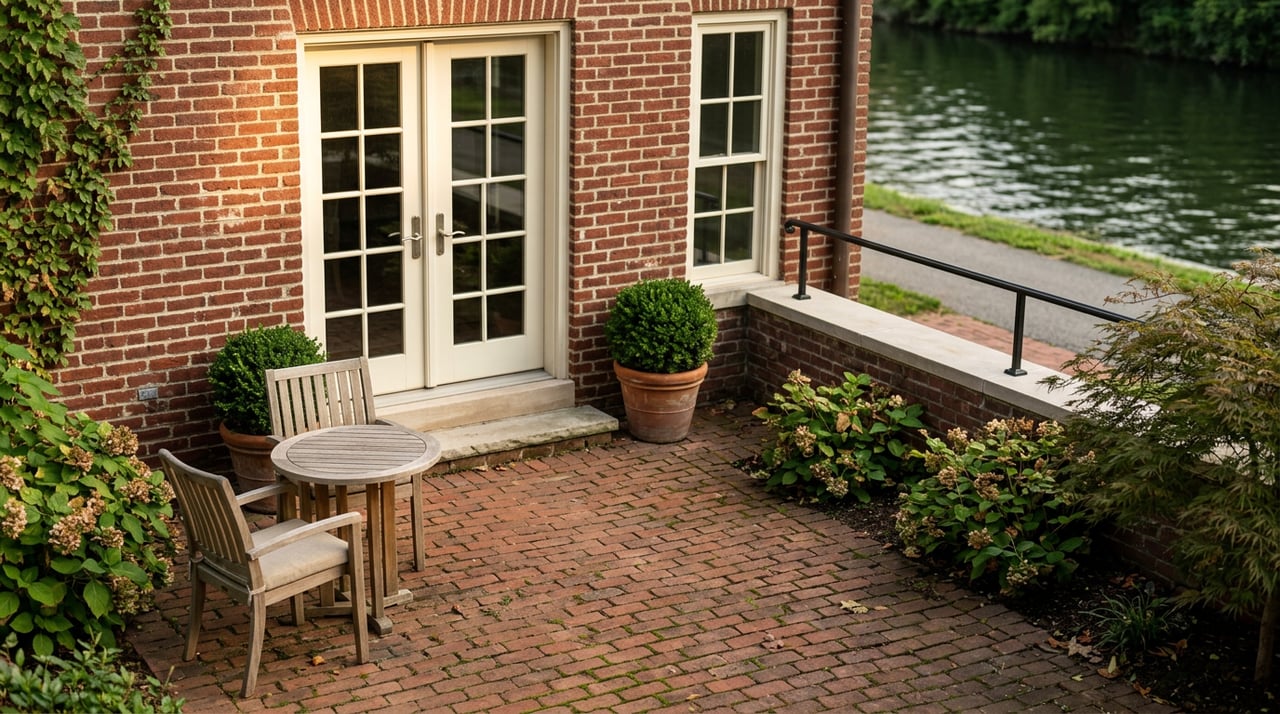
Georgetown’s housing stock is dominated by historic rowhouses—brick townhomes on narrow lots with 2 to 4 bedrooms, multiple levels, and basement spaces. You will also find a mix of grand detached or semi-detached houses, carriage-house conversions, and a handful of condominium buildings, including some along or near the waterfront. Interiors often showcase period details, stair-forward layouts, and cozy rear gardens or patios.
If you plan to renovate, know that exterior changes visible from public space typically require review by the Old Georgetown Board (OGB), which advises the U.S. Commission of Fine Arts. That process adds time and design constraints, especially for windows, dormers, rooftop decks, and additions. Before you draw up plans, review the CFA’s Old Georgetown policy and design guidelines and consult an architect or contractor experienced with OGB submissions.
Price context and tiers
Georgetown sits at the upper tier of the D.C. market. Recent vendor snapshots place the neighborhood median sale price around the high six to seven figures, with some sources showing a median near the low 1.8 to 1.9 million range for the defined Georgetown area, and a lower median around the low 1.3 million range when you look at the broader 20007 ZIP. Brokerage reporting also varies by boundary and date. For example, Long & Foster’s market-minute snapshot for their defined Georgetown/20007 area showed a median around the mid–one million range in late 2025. You can see one such snapshot in Long & Foster’s Market Minute. Different data providers and timelines will produce different numbers, so always match the stat to the map.
As a buyer, here is how price tiers typically break down:
- Entry-point condos and smaller one-bedrooms: lower to mid six figures in the broader 20007 area, depending on building and finishes.
- Two-bedroom condos and smaller townhomes: high six figures to low seven figures.
- Classic 3 to 4 bedroom rowhouses: mid to high seven figures, reaching into low eight figures for larger, renovated homes in premium locations.
- Waterfront and fully renovated top-tier properties: several million dollars, with select homes and penthouses exceeding 4 to 10 million.
These are practical ranges, not replacement for live comparables. If you are targeting a specific block or house type, expect meaningful variation based on lot size, condition, parking, and proximity to the waterfront or Book Hill.
Waterfront, canal, and trails
The Potomac anchors everyday life here. The Georgetown Waterfront Park and Washington Harbour offer promenades, seasonal events, and riverside dining, while docks and water connections add a unique dimension to weekend plans. The C&O Canal’s first mile runs through the neighborhood, linking to the Capital Crescent Trail and the wider Chesapeake & Ohio Canal National Historical Park. The National Park Service is actively stabilizing historic locks and walls, improving the towpath, and upgrading access, which can affect certain segments during construction. You can read about the ongoing work in the NPS update on the Locks and Walls rehabilitation.
Many residents run or bike the towpath before work, meet friends along the waterfront, or ride the trails on weekends. If you value a car-light lifestyle, these green corridors make it natural to walk or bike for errands and exercise.
Shopping, dining, and everyday errands
M Street and Wisconsin Avenue provide a dense mix of national brands, local boutiques, fitness studios, services, and markets. Everyday conveniences cluster near the university and along Wisconsin Avenue, while destination retail and specialty shops line M Street and Book Hill. The scene balances neighborhood staples with well-known eateries, from historic institutions like Martin’s Tavern to waterfront fine dining such as Fiola Mare.
The BID hosts seasonal programming and markets that give the neighborhood a festive rhythm. Events like the French Market and holiday activations draw both residents and visitors, so it is smart to plan dining and parking around peak times.
Schools and education choices
Public enrollment in D.C. combines in-boundary DC Public Schools (DCPS) assignments with the My School DC lottery for citywide options. Boundaries and feeder patterns evolve, and recent adjustments related to the MacArthur High School opening illustrate why you should verify year-specific assignments. DCPS has published planning and FAQ materials; you can review a representative resource in this MacArthur implementation and FAQ document.
Nearby public elementary options referenced by many families include Stoddert Elementary. Always confirm whether a given address is in boundary for your target year using official DCPS tools and My School DC resources. Explore Stoddert’s official site for current programs and contacts: Stoddert Elementary.
Private and parochial schools are also part of the local education landscape. Georgetown Day School serves K–12 with campuses in the city, and Georgetown Visitation Preparatory School is a long-established independent option. For more information, start with Georgetown Day School and the NAIS directory entry for Georgetown Visitation Preparatory School.
Getting around and parking
Georgetown does not have a Metro station within the neighborhood. Most residents walk or bus to Foggy Bottom–GWU on the Blue, Orange, and Silver lines, which the BID estimates as roughly a 15-minute walk from the M Street core. Rosslyn, across the Key Bridge, is another rail access point. The neighborhood is served by multiple Metrobus routes and the DC Circulator, and the waterfront offers water connections that supplement commuting and leisure. For detailed transit guidance, head to the BID’s Parking & Getting Here page.
Cycling is a standout here. The junction of the C&O Canal towpath and the Capital Crescent Trail, plus Capital Bikeshare stations and plentiful bike parking, makes biking an easy choice for errands and commutes.
Parking is a frequent decision point. Commercial streets use metered parking with posted hours and rates that can vary by block. Residential streets rely on zone-based permit rules, with time limits for non-permit vehicles during enforcement hours. If you own a car, plan ahead for Residential Permit Parking and guest permits, and consider whether a private parking space is worth a premium on your home search.
Who Georgetown fits
If you love historic character, walkable retail and dining, and daily access to riverfront parks and trails, Georgetown delivers. The tradeoffs are real: higher price points, limited off-street parking on many blocks, and a more complex renovation path for exterior work. For everyday rail commuters who need the fastest station access, or for buyers who require inexpensive, always-available parking, another D.C. neighborhood may fit better.
In short, Georgetown sells a rare combination of heritage and waterfront urban life. You tend to pay a premium for that package, which is why having clear expectations and a smart plan matters.
Tips for move-up buyers
- Clarify your search map. Decide whether you are focused on the Georgetown Historic District proper or open to the broader 20007 ZIP. Medians and school assignments vary by boundary.
- Budget for preservation. If a rooftop deck or rear addition is a must-have, factor in OGB review timelines and design parameters before you bid.
- Weigh parking early. A dedicated space adds real value. If you will rely on RPP, learn the rules and consider how guest parking fits your lifestyle.
- Use the trails. The towpath and Capital Crescent Trail can reshape your commute and daily routine. Test-run your walk or bike routes before finalizing a purchase.
- Align schools and timing. Confirm DCPS in-boundary status for a specific address, and map out My School DC or private-school application timelines.
- Price-check with live comps. Use vendor snapshots to set expectations, then refine with current, block-by-block comparables before you write an offer.
Ready to explore?
When you are ready to talk through Georgetown’s housing styles, preservation questions, school options, and commute tradeoffs, our family-run team is here to help. We combine local guidance with polished marketing and clear, step-by-step support for both buyers and sellers. Start a conversation with Levin Group Real Estate to plan your next move.
FAQs
Is Georgetown a good fit for families?
- Yes. Green space, the towpath, and nearby school options make it appealing, but be sure to verify DCPS boundaries and consider private or lottery choices for your specific year. Review resources like Stoddert Elementary and DCPS planning updates.
How strict are renovation rules for Georgetown rowhouses?
- Interior work is usually straightforward, but exterior changes visible from public space often require Old Georgetown Board review. Plan design and permitting time using the CFA’s Old Georgetown guidelines.
How do residents connect to Metro from Georgetown?
- Most people walk or take a bus to Foggy Bottom–GWU, or cross the Key Bridge to Rosslyn. For route options and estimates, use the BID’s Parking & Getting Here page as a starting point.
What price range should a move-up buyer expect in Georgetown?
- Larger rowhouses commonly trade in the seven-figure range, with premium renovated or waterfront homes higher. Exact pricing varies by location, lot, finishes, and parking; confirm with live local comparables and recent sales.