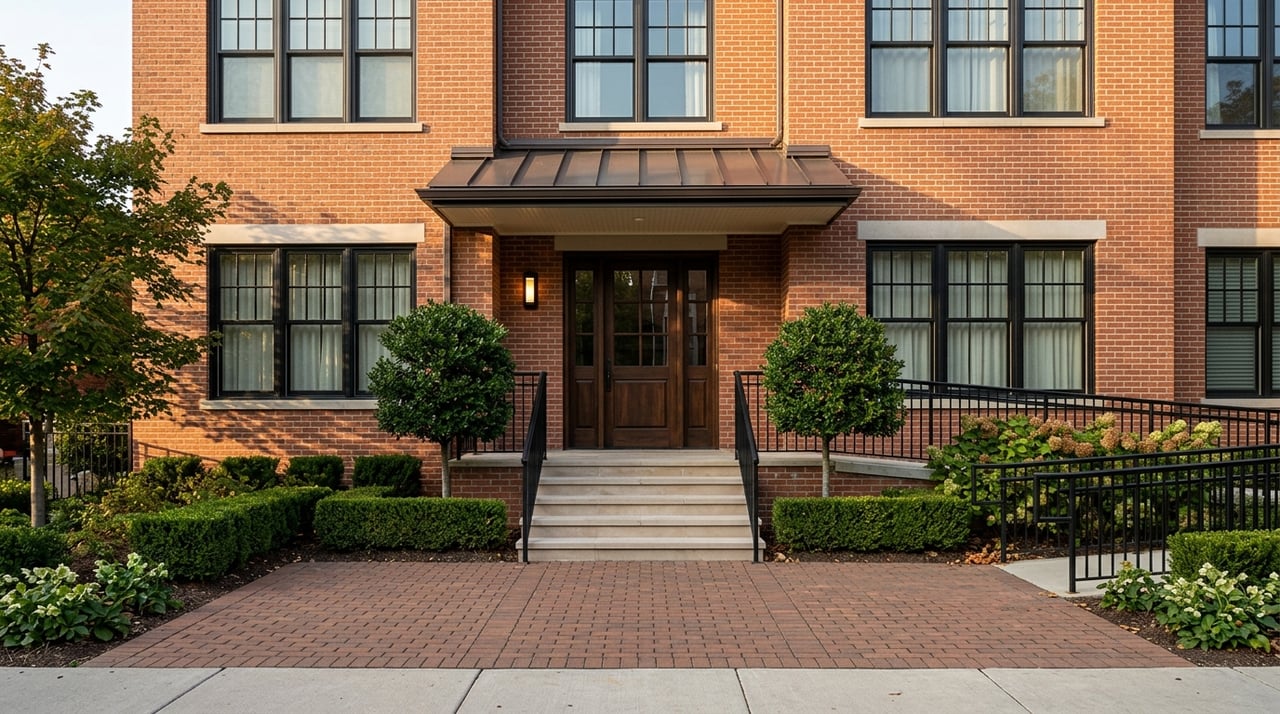
Thinking about giving up stairs, yard work, and ongoing home repairs without giving up convenience? If that sounds familiar, a walkable condo in Chevy Chase may be worth a closer look. For many downsizers, the goal is not just less space. It is an easier daily routine, better access to errands and transit, and a home that fits how you want to live now. Let’s dive in.
Why Chevy Chase Appeals to Downsizers
Chevy Chase stands out because it offers a mix of residential feel and everyday convenience. According to Montgomery Planning’s Bethesda-Chevy Chase community overview, the area includes access to the Capital Crescent Trail, local parks, major roads, and transit-connected hubs like Friendship Heights.
For many buyers, that matters more than square footage alone. A successful downsizing move often means shortening the distance between your front door and the places you visit most, like grocery stores, dining, appointments, and transit.
Montgomery Planning also notes that Friendship Heights is served by the Red Line and includes major retail and office uses. Chevy Chase Lake is planned around the proposed Purple Line station area at Connecticut Avenue. In practical terms, the most walkable condo options in Chevy Chase tend to cluster near these transit and retail nodes rather than on quieter interior streets.
Where Walkability Is Most Realistic
If walkability is a top priority, it helps to focus your search strategically. Not every Chevy Chase address offers the same level of access to shops, sidewalks, and transit.
Friendship Heights and nearby nodes
Friendship Heights is one of the clearest choices for buyers who want to be close to the Red Line, shopping, and daily services. The combination of transit access and established commercial activity makes it a practical place to start if you want to reduce car dependence.
Chevy Chase Lake area
The Chevy Chase Lake sector plan describes a residential community with a range of housing types, including low-rise garden apartments, townhouses, and taller apartment buildings for seniors along Connecticut Avenue. The plan also emphasizes pedestrian connections, public space, and transitions between denser station-area development and nearby existing communities.
For downsizers, that is an important signal. It suggests the area is being shaped around a more connected, pedestrian-friendly daily life, not just new housing density.
What Condo Options You May See
In and around Chevy Chase, downsizers are likely to see a mix of elevator condos, low-rise garden-style buildings, senior-oriented apartment buildings, and townhouse communities near commercial and transit areas. The right fit depends on how you want to live, not just what looks good online.
A building with elevator access may be a better long-term match than a walk-up, even if both have similar finishes. A lower-maintenance layout with one-level living may also be more practical than a larger unit with stairs or harder-to-reach storage.
Maryland’s condominium consumer guide also reminds buyers to confirm exactly what comes with the unit. In some condominiums, limited common elements may include balconies, patios, storage areas, or even certain exterior areas. That is worth clarifying before you fall in love with a particular home.
Older buildings versus newer projects
Older condo communities may offer established settings and larger room sizes, but they can require closer review of building history and association records. Maryland’s condo guide notes that some older condominiums may be exempt from certain disclosure requirements, which makes due diligence especially important.
For newer or redeveloped condo projects, timing and paperwork can matter more. The Maryland Secretary of State’s condo registration guidance says a public offering statement must be registered before an initial condo sale can proceed, and the review period can take up to 45 days.
If a new unit or common element will not be finished by settlement, Maryland’s consumer guidance says the contract should clearly address completion dates and, when appropriate, escrow arrangements. That can be especially relevant if you are considering a newer opportunity near Chevy Chase Lake.
Condo Dues Versus House Costs
One of the biggest downsizing questions is simple: will your monthly costs really go down? Sometimes yes, but not always in the way buyers expect.
A detached home often comes with ongoing costs for landscaping, exterior maintenance, repairs, pest control, and general upkeep. A condo shifts many of those expenses into monthly association dues.
According to the Consumer Financial Protection Bureau, condo or HOA dues are generally paid directly to the association and are not part of your monthly mortgage payment. Freddie Mac also notes that homeownership costs can include maintenance, repairs, and recurring upkeep that many buyers underestimate when comparing housing types.
That means a smaller home does not automatically equal a smaller monthly housing budget. Instead, your costs may become more predictable, with some responsibilities moved from your personal to-do list into the association’s budget.
What to Review in Condo Financials
Before you buy, spend time reviewing the association’s financial health. This step matters just as much as touring the unit itself.
Maryland’s condo guide says association budgets commonly include:
- Administrative and management fees
- Maintenance costs
- Insurance premiums
- Taxes
- Reserve contributions for major future expenses
You should also ask about reserve funds, recent special assessments, and meeting minutes. The same guide warns that inadequate reserves can lead to special assessments, and those assessments may not have a fixed cap.
That is why a lower monthly condo fee is not always the better deal. In some cases, a modestly higher fee may reflect more responsible funding for future repairs and replacements.
Insurance Works Differently in a Condo
Insurance is another area where downsizers are sometimes surprised. When you move from a detached house to a condo, the coverage structure changes.
The Maryland Insurance Administration explains that the condo association must carry a master policy for the structure and common areas. As the unit owner, you typically need your own policy for personal belongings, liability, improvements inside the unit, and additional living expenses after a covered loss.
This point is especially important if you plan to renovate or if you are buying a unit with upgraded finishes, built-ins, or custom features. You will want to understand what the association covers and what you need to insure separately.
Accessibility Features That Matter
A good downsizing move should work for your life today and still make sense years from now. That is why accessibility and ease of use deserve a close look during your search.
The National Institute on Aging home safety checklist highlights practical features such as good lighting, reduced trip hazards, handrails, nonskid surfaces, and safe stair or entrance conditions. AARP also points to step-free entries and accessible bathrooms as key aging-friendly features.
Features worth prioritizing
When comparing condos, consider whether the home includes or could support:
- Step-free or ramped entry
- Elevator access
- Wide, clear walkways
- Good lighting in halls and entry points
- Bathrooms with space for safer movement
- Fewer interior trip hazards
- Handrails where needed
The most comfortable condo is not always the newest or largest one. Often, it is the one that makes everyday movement easier.
Tax and Closing Cost Surprises
Downsizing can free up equity, but your available cash will depend on more than your sale price. Mortgage payoff, selling costs, taxes, and closing expenses all affect what you can comfortably spend on the next home.
Montgomery County says real estate taxes must be current before a deed can transfer. The county also notes that Maryland state transfer tax is 0.5% of consideration, and recording fees and surcharges also apply.
Property tax estimates should also be done carefully. Montgomery County’s tax information shows that combined tax rates can vary by specific area, including places such as Friendship Heights, Chevy Chase Village, the Town of Chevy Chase, and Bethesda. That is why parcel-level estimates are more useful than broad neighborhood assumptions.
Federal tax considerations
For many long-time homeowners, the sale of a primary residence may be tax-efficient. The IRS guidance on the sale of a main home says homeowners may exclude up to $250,000 of gain, or up to $500,000 on a joint return in most cases, if they meet the ownership and use tests.
The IRS also notes that a loss on the sale of a main home is not deductible. If you have owned your home for many years and made improvements over time, your tax outcome will depend on your basis and documentation.
First-year tax details after you move
Montgomery County also notes that the Homestead Property Tax Credit does not apply in the first year after purchase. Sellers are required to disclose the following year’s expected tax because the buyer will not yet receive that homestead benefit.
The county also lists programs such as the Homeowners’ Property Tax Credit, senior property tax credit, and ITOC program for eligible owner-occupants. The ITOC program requires a Homestead Tax Credit application on file by May 1 and can provide a $692 credit for eligible homeowners.
How to Decide if a Walkable Condo Fits
If you are considering a move in Chevy Chase, try to evaluate each option through three simple lenses: lifestyle, monthly budget, and long-term comfort. A condo may be the right fit if it helps you simplify chores, stay connected to daily needs, and live well with less maintenance.
As you compare homes, ask yourself:
- Can you comfortably manage the layout now and later?
- Are groceries, dining, appointments, and transit reasonably accessible?
- Do the condo fees reflect real value and responsible reserves?
- Have you reviewed the association’s financials and insurance structure?
- Does the move improve your day-to-day life, not just reduce square footage?
A smart downsizing move should feel lighter, not more complicated.
If you are exploring whether a walkable condo in Chevy Chase is the right next step, Levin Group Real Estate can help you compare options, understand the local tradeoffs, and make a plan that fits your goals.
FAQs
What makes Chevy Chase a good place for downsizing to a condo?
- Chevy Chase offers transit-connected and retail-adjacent pockets, including areas near Friendship Heights and Chevy Chase Lake, where you may be able to trade yard work and stairs for easier daily access to shops, services, and trails.
What condo fees usually cover in Chevy Chase condo communities?
- Condo fees often help pay for common-area maintenance, insurance, administrative costs, reserve funding, and sometimes services like water, trash, lawn care, or pest control, depending on the association.
What should buyers review before buying a condo in Maryland?
- You should review the condo budget, reserve funds, recent meeting minutes, any special assessments, insurance details, and what limited common elements or unit features are actually included with the purchase.
What accessibility features matter when downsizing to a condo?
- Features like step-free entry, elevator access, good lighting, handrails, fewer trip hazards, and bathrooms that allow easier movement can make a condo more comfortable and practical over time.
What tax issues should Chevy Chase downsizers plan for?
- Downsizers should plan for transfer taxes, recording charges, current property tax requirements at closing, and the fact that the Homestead Property Tax Credit does not apply in the first year after purchase.
What should buyers know about condo insurance in Maryland?
- In Maryland, the condo association generally carries a master policy for the building and common areas, while you usually need your own policy for belongings, liability, interior improvements, and certain living expenses after a covered loss.