Buying an investment property in Dupont Circle can sound like an easy win. It is one of the best-known neighborhoods in Northwest DC, it offers strong walkability and transit access, and it continues to attract buyers and renters who want a central location. But if you are asking whether a Dupont Circle condo is a smart investment, the real answer depends on your goals, your numbers, and the specific building you choose. Let’s dive in.
Dupont Circle Market Snapshot
Dupont Circle still commands attention, but the latest data suggest a market that is steady rather than overheated. Zillow’s home value index for Dupont Circle puts the neighborhood at $452,455 as of March 31, 2026, which is down 0.8% year over year.
At the same time, Redfin’s Dupont Circle housing market data reported a $525,000 median sale price in March 2026, down 15.5% year over year. Homes also took a median of 111 days on market, and 47 homes sold compared with 63 a year earlier. That points to a softer pace than many buyers expect from a high-profile DC neighborhood.
This matters because a smart investment is not just about buying in a famous location. It is about understanding what kind of market you are buying into and whether today’s conditions match your timeline.
Why Buyers Still Look at Dupont
Even with softer pricing, Dupont Circle has clear strengths that support long-term appeal. Redfin rates the neighborhood with a 98 Walk Score, 87 Transit Score, and 96 Bike Score.
Those numbers reinforce one of Dupont’s biggest advantages: accessibility. For an owner-occupant or a landlord, that kind of connectivity can help support resale demand and renter interest over time.
The neighborhood also sits in a useful middle ground within Northwest DC pricing. According to Zillow’s neighborhood value comparisons, Dupont Circle is priced below areas like West End, Logan Circle, U Street Corridor, Shaw, and Kalorama, but above Foggy Bottom. That can make it appealing if you want a central location without paying the very top end of the NW DC value range.
Is Dupont Circle A Good Rental Play?
Rental demand in Dupont Circle is real, but you should go in with conservative expectations. Rent estimates vary by source, which is common in urban condo markets.
Redfin’s Washington rental market page showed a $2,445 median rent for Dupont Circle in August 2025. Realtor.com data referenced in the research reported 145 rentals, a $3,000 median rent, and 54 days on market in February 2026, while Zumper estimated about $2,699.
The key takeaway is simple: rents are solid, but they are not uniform. Building condition, unit size, layout, finishes, and amenities can all have a major effect on what a condo can actually earn.
Using Redfin’s median rent and March 2026 median sale price, the rough gross yield is about 5.6% before HOA dues, taxes, insurance, maintenance, and financing. That can be a helpful starting point, but gross yield is not the same as cash flow.
Cash Flow Can Get Tight Fast
This is where many condo investors need to slow down. A Dupont Circle condo may look attractive on paper, but your monthly costs can quickly narrow your margin.
Key expenses can include:
- HOA or condo dues
- Property taxes
- Insurance
- Repairs and maintenance
- Vacancy periods
- Leasing or management costs, if applicable
- Financing costs
That means Dupont Circle may work better for someone focused on location, stability, and long-term hold potential than for someone chasing strong immediate cash flow. If your plan only works with aggressive rent growth or very light expenses, you may be taking on more risk than you realize.
DC Rental Rules Matter
If you are buying a condo as an investment, DC regulations deserve close attention. They can directly affect your income strategy.
According to DC’s rent control guidance from DHCD, all rental units must be registered with RAD, and unregistered units default to rent stabilization. The same guidance notes that units built after 1975 are commonly exempt, but you should confirm how any specific property is treated before you buy.
The Office of the Tenant Advocate’s 2026 notice, summarized in the research report, sets annual rent increase caps at 4.1% for most rent-controlled tenants and 2.1% for elderly or disability tenants for the May 1, 2026 to April 30, 2027 rent-control year. For investors, that is a reminder to use measured rent-growth assumptions rather than optimistic ones.
There is another important limit if you are thinking about short-term rentals. DC’s short-term rental rules require the property to be the host’s primary residence, and the condo bylaws must allow the use or provide written permission. Investment properties and corporate-owned properties are not eligible for DC short-term rental licensing.
In plain terms, a Dupont condo is generally not a great fit if your investment strategy depends on flexible short-term rental use.
Older Buildings Change The Math
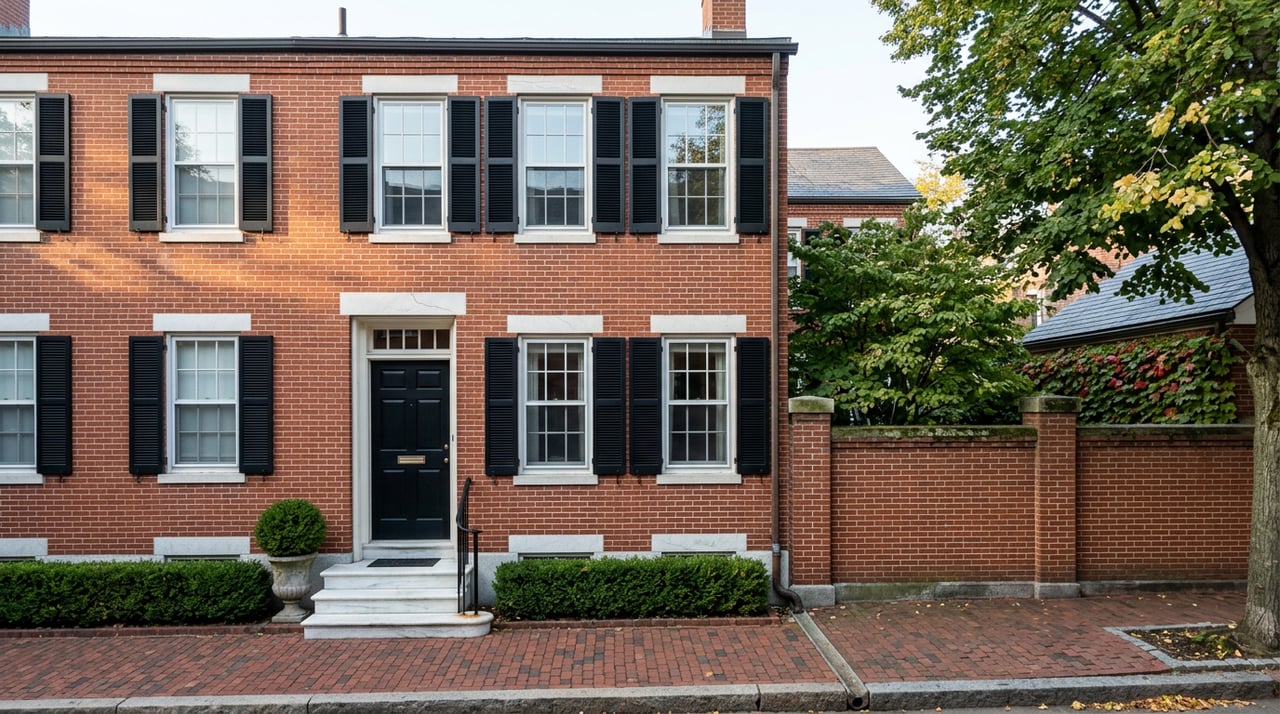
One of Dupont Circle’s biggest draws is also one of its biggest investment challenges. The neighborhood’s housing stock is full of character, but it is often older and highly building-specific.
The Dupont Circle Historic District inventory includes about 3,100 buildings dating from roughly 1875 to 1931. That means many condos are located in older buildings, conversions, or small associations rather than in newer, more standardized developments.
That can create opportunity, but it also increases the need for due diligence. Two units with similar square footage can be very different investments depending on the building’s reserves, maintenance history, and governing documents.
Historic District Rules Can Affect Renovations
If you plan to improve a unit or a building exterior, Dupont’s historic district status matters. According to DC’s guidance on permits for historic property, exterior work may trigger preservation review when a building permit is required.
For you, that can mean added time, more approvals, and a different renovation budget than you would expect in a non-historic area. If your investment plan depends on quick cosmetic updates or value-add improvements, make sure you understand the likely process before closing.
HOA Review Is Essential
With condos, the building can matter as much as the neighborhood. In Dupont Circle, that is especially true.
DC’s condominium bill of rights and responsibilities highlights owners’ rights related to meetings, records, voting, and assessment statements. For buyers, that is a reminder to look carefully at the association’s financial health and governance.
Before you buy, pay close attention to:
- Monthly condo dues
- Reserve funding
- Recent or pending special assessments
- Rules on leasing
- Rules on renovations
- Owner-occupancy ratios
- Building maintenance issues
A well-run condo association with manageable dues can make a Dupont investment much more appealing. A building with weak reserves or unclear policies can turn a promising purchase into a frustrating one.
How Dupont Compares Nearby
Dupont Circle sits in an interesting spot compared with nearby Northwest DC neighborhoods. It is not the cheapest option, but it is also not priced at the very top of the market.
Zillow’s neighborhood comparison data shows Dupont Circle below West End, Logan Circle, Adams Morgan, U Street Corridor, Shaw, and Kalorama, while still above Foggy Bottom. That middle position may appeal to buyers who want a central address with strong access and established demand.
Appreciation trends have also been mixed nearby. Dupont was down 0.8% year over year, while West End, Logan Circle, U Street Corridor, and Foggy Bottom also posted declines. Adams Morgan and Kalorama were up modestly. That suggests Dupont has shown resilience, but it is not currently standing out as a short-term appreciation leader.
So, Is A Dupont Circle Condo A Smart Investment?
For the right buyer, yes. A Dupont Circle condo can be a smart investment if you value location scarcity, strong accessibility, durable renter appeal, and long-term usability more than fast appreciation or high monthly cash flow.
It may be a good fit if you:
- Want a central Northwest DC location
- Are comfortable underwriting slower appreciation
- Understand condo financials and HOA risk
- Are planning around long-term hold potential
- Want a property with solid resale appeal tied to walkability and transit
It may be a weaker fit if you:
- Need strong cash flow from day one
- Plan to rely on short-term rentals
- Are not prepared for HOA or special assessment risk
- Want easy renovation value-add potential
- Are assuming rapid rent growth
The biggest mistake buyers make is evaluating Dupont Circle only at the neighborhood level. In reality, the smartest purchase is usually the condo in the right building, with the right documents, at the right price.
If you are weighing whether a specific Dupont Circle condo makes sense for your goals, working with an advisor who understands both NW DC neighborhoods and building-level due diligence can make a real difference. Levin Group Real Estate can help you evaluate the numbers, the location, and the details that matter before you commit.
FAQs
Is Dupont Circle a buyer’s market for condos?
- Recent data suggest buyers may have room to negotiate. Redfin describes Dupont Circle as somewhat competitive, while Realtor.com called it a buyer’s market in February 2026, with homes selling below asking on average.
Is a Dupont Circle condo a good rental investment?
- It can be, especially if you value location and long-term demand, but it may not produce strong cash flow after HOA dues, taxes, insurance, maintenance, and financing are included.
Do Dupont Circle condos have high HOA risk?
- Some can. Because many buildings are older and highly building-specific, buyers should closely review dues, reserves, assessment history, and leasing rules before purchasing.
Can you use a Dupont Circle condo as a short-term rental?
- Usually only in limited cases. DC requires short-term rentals to be in the host’s primary residence, and the condo bylaws must also allow that use or provide written permission.
Does the Dupont Circle historic district affect condo renovations?
- Yes. Exterior work that requires a permit can trigger preservation review, which may affect renovation timing, scope, and cost.
What makes a Dupont Circle condo a smart long-term buy?
- The strongest case is usually a well-located unit in a financially stable building, purchased with realistic expectations about rents, appreciation, HOA costs, and DC regulations.