Trying to choose between a condo and a townhome in Silver Spring? You are not alone. For many buyers, the decision comes down to a few big questions: how much space you want, how much maintenance you are comfortable with, and what your monthly budget looks like once fees are added in. The good news is that Silver Spring gives you real options, especially if you want a walkable, transit-friendly lifestyle in Montgomery County. Let’s break down how to decide.
Silver Spring offers two different paths
Silver Spring is a mixed-use, transit-oriented market with a range of housing choices. Montgomery Planning’s downtown plan supports diverse housing types and walkable streets, while Montgomery County describes downtown Silver Spring as a business, arts, entertainment, and dining hub centered on the Paul S. Sarbanes Transit Center.
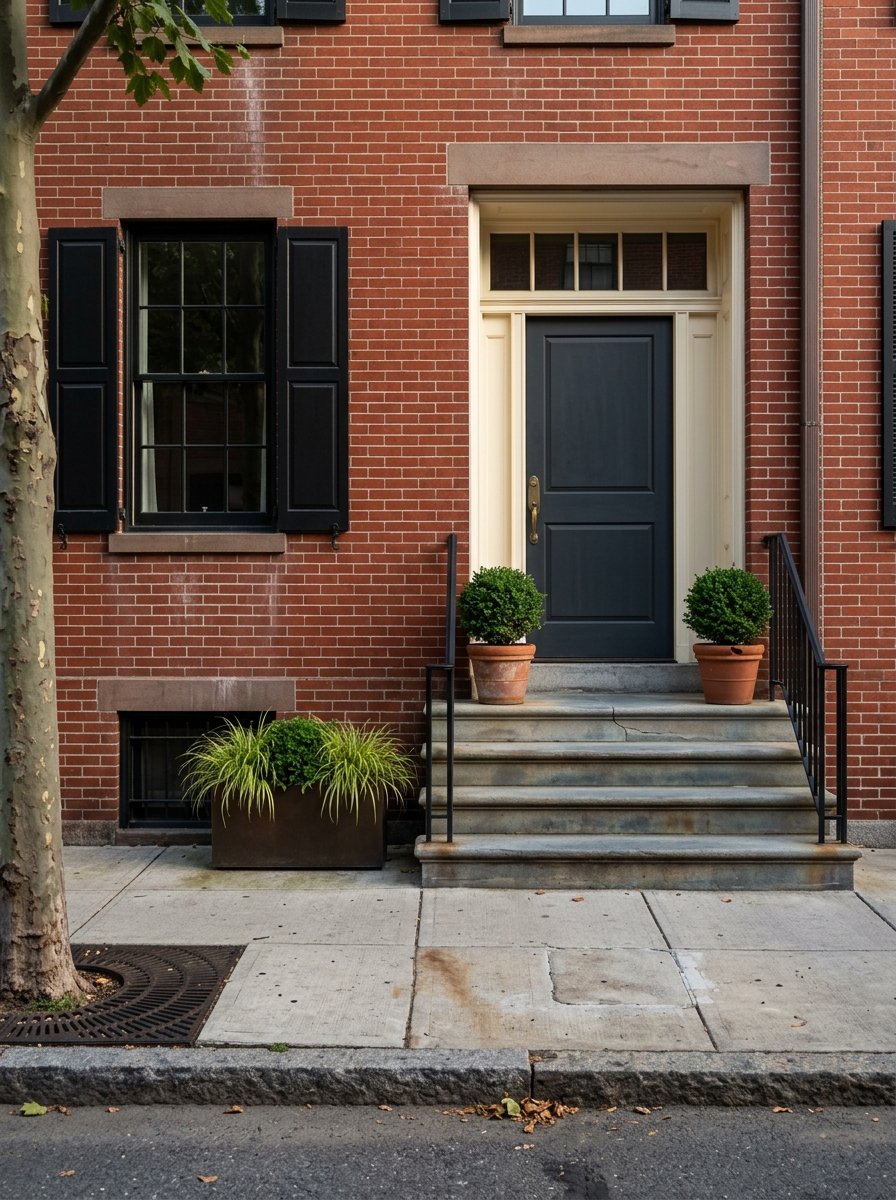
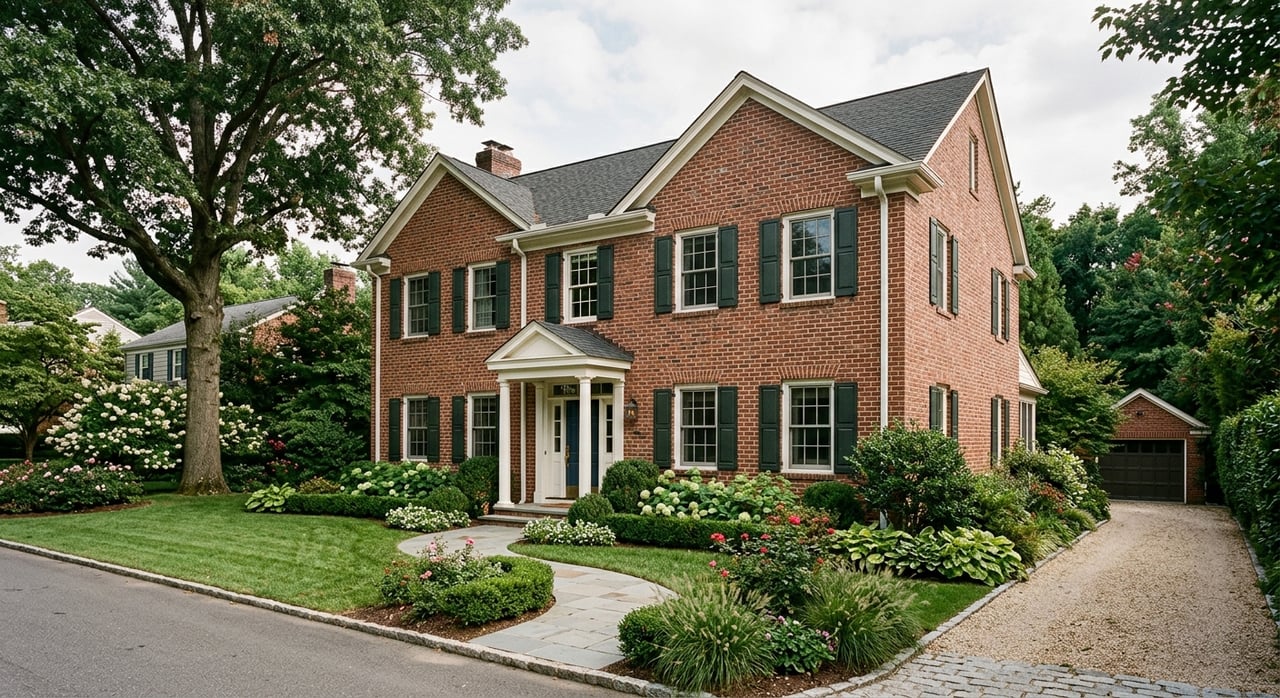
That matters because your home type often shapes how you live day to day. In general, a condo may fit if you want a lower entry point and shared amenities, while a townhome may fit if you want a more house-like layout and a little more separation. In Silver Spring, both options can work well, but they support different priorities.
Price is often the first filter
If you are starting with budget, the current Silver Spring market shows a noticeable pricing gap between condos and townhomes. In Redfin’s April 2026 snapshot, the median sale price in Silver Spring was $634,672. Current inventory showed condos with a median list price around $290,000 and townhomes with a median list price around $484,000.
That does not mean every condo is affordable or every townhome is a stretch. It does mean condos often give you a lower starting point, while townhomes usually ask more in exchange for a larger, more house-like footprint.
Current Silver Spring price snapshot
| Home Type | Median List Price | Median Days on Market |
|---|---|---|
| Condo | About $290,000 | 57 days |
| Townhome | About $484,000 | 45 days |
Townhomes were also moving a bit faster in the current snapshot, with a median of 45 days on market compared with 57 for condos. That is not a guarantee of what will happen with any specific property, but it is a useful way to frame demand.
Ownership is not always what the label suggests
One of the most important things to understand is that the word townhome does not automatically tell you exactly what you own. In Maryland, condos can take several forms, including high-rise units, garden-style homes, and even townhouse-style properties.
That means a home that looks like a townhome may still legally be a condominium. Before you assume you own the land, the exterior, or the structure itself, you need to confirm the ownership type in the governing documents.
Why this matters for buyers
The ownership structure affects more than legal wording. It can shape who handles exterior repairs, what insurance you need, and what changes you can make to the property.
If you are comparing two homes with similar layouts, this detail can be the deciding factor. A buyer who wants more control over the exterior may feel very differently about a fee-simple townhome than a condo-townhome with shared ownership responsibilities.
Maintenance can feel very different
For many buyers, the condo versus townhome decision is really a maintenance decision. In Maryland, condo owners generally own the interior of the unit, while the council of unit owners usually owns and maintains the common elements and the basic structure, unless the governing documents say otherwise.
By contrast, in a homeowners association, members generally own the home and the land, even though they still follow community rules. That setup often feels more independent, but it can also come with more direct responsibility.
A condo may work better if you want simplicity
If you do not want to think much about exterior upkeep, a condo may be appealing. Shared assessments often help fund building and community items such as maintenance, elevators, parking lots, pools, management services, utilities, insurance, and reserve funds.
That can create a more streamlined ownership experience. You still have responsibilities inside your unit, but many of the larger shared items are managed through the association.
A townhome may work better if you want more privacy
If you want a more house-like feel, a townhome may be the better fit. Depending on the ownership structure, you may have more private living space and a stronger sense of separation from neighbors.
That said, more privacy can also mean more to manage. Even in an HOA community, you may still need approval for exterior changes, and county guidance notes that common ownership communities often require advance written approval for those updates.
Monthly fees deserve a closer look
Many buyers focus on price first and fees second, but your monthly payment is what you live with. HOA and condo dues are usually separate from the mortgage payment, and the amount can vary widely depending on the community.
That is especially true in Silver Spring. Current live listings show major overlap, with one townhome showing $86 per month in HOA dues, another townhome showing $670 per month, and a condo showing $625 per month. In other words, the label alone does not tell you what your monthly costs will be.
Ask what the fee actually covers
A higher monthly fee is not always a bad thing. It may cover more services, insurance, utilities, maintenance, or reserves.
A lower fee may sound attractive at first, but it could also mean fewer included services or a different level of owner responsibility. The right question is not just how much is the fee? It is what do you get for it?
Insurance is another key difference
Insurance works differently depending on the type of property and the governing documents. Montgomery County guidance says condo owners usually need their own unit-owner policy, often called an HO-6 policy, while the association’s master policy covers common elements and some building losses.
That setup can be different from a townhome in an HOA, where the owner may carry broader responsibility. This is another reason to confirm the ownership structure early rather than relying on the property style alone.
Silver Spring lifestyle can tip the scale
Silver Spring is one of Montgomery County’s strongest transit hubs, and that can make condos especially attractive for buyers who want convenience. WMATA says Silver Spring Station is on the Red Line and connected to the Paul S. Sarbanes Transit Center. MTA also notes service on the MARC Brunswick Line, and the transit center serves Metrobus, Ride On, taxis, and future Purple Line connections.
The surrounding downtown area adds to the appeal. Montgomery County says downtown Silver Spring has more than 260 employers, nearly 13,000 employees, more than one million square feet of retail, office, restaurant, and theatre space, and an arts and entertainment district with more than 50 organizations.
Condos often fit a transit-focused routine
If you picture yourself walking to transit, dining, and entertainment, a condo may line up well with that lifestyle. It can be a practical choice if you want easier access to the center of downtown and value shared amenities more than private exterior space.
That is not a rule, but it is a common pattern in Silver Spring. Buyers who want a lower entry price and a more lock-and-leave setup often start their search with condos.
Townhomes often fit a house-like routine
If you want more separation, more levels, or a more traditional residential feel, a townhome may be a better match. Many buyers are willing to pay more for that extra space and a layout that feels closer to a single-family home.
In Silver Spring, that can be a strong option if you want to stay connected to transit and amenities while still having a little more private living space.
Check the block, not just the map
Transit access is a major Silver Spring advantage, but it is smart to look beyond the broad neighborhood description. WMATA says Purple Line construction at Silver Spring Station is expected through 2026, so specific blocks or buildings may have temporary access impacts.
That does not mean you should avoid the area. It simply means your experience can vary from one property to the next, even within the same part of town.
Five things to verify before you buy
Before you make an offer on a condo or townhome in Silver Spring, slow down and confirm the details that affect your daily life and long-term costs.
Use this buyer checklist
- Confirm whether the property is fee-simple or a condo-townhome.
- Review what the monthly fee covers.
- Ask about reserve funds and any pending special assessments.
- Check rules for exterior changes, parking, and rentals.
- Calculate your true monthly housing cost with mortgage, taxes, insurance, and dues.
Montgomery County says buyers have the right to review governing documents, financial condition, assessments and fees, and community rules before buying. That review can tell you far more than the listing headline ever will.
So which one should you choose?
If your top priorities are a lower entry price, shared amenities, transit access, and less exterior maintenance, a condo may be the better fit. If your top priorities are more private living space and a more house-like setup, a townhome may make more sense.
In Silver Spring, there is no one-size-fits-all answer. The smartest decision usually comes from comparing not just the home style, but also the fee structure, ownership type, rules, and day-to-day lifestyle each community supports.
If you want help sorting through Silver Spring condos and townhomes with a local, practical lens, Levin Group Real Estate can help you compare the numbers, the documents, and the lifestyle tradeoffs so you can move forward with confidence.
FAQs
What is the main difference between a condo and a townhome in Silver Spring?
- In Silver Spring, the biggest differences often involve price, maintenance responsibility, monthly fees, and ownership structure, not just the way the home looks.
Are townhomes in Silver Spring always more expensive than condos?
- Current inventory suggests townhomes typically list for more than condos in Silver Spring, with median list prices around $484,000 for townhomes and $290,000 for condos.
Can a townhouse-style home in Silver Spring still be a condominium?
- Yes. Maryland guidance says condos can be high-rise, garden-style, or townhouse-form, so you should confirm the legal ownership type in the governing documents.
What do condo or HOA fees usually cover in Silver Spring communities?
- Fees may help cover items such as maintenance, insurance, parking lots, elevators, pools, utilities, management services, and reserve funds, depending on the community.
Is downtown Silver Spring a good fit for buyers who rely on transit?
- Downtown Silver Spring is one of Montgomery County’s strongest transit hubs, with Red Line access, MARC service, bus connections, and the Paul S. Sarbanes Transit Center.
What should buyers review before buying a condo or townhome in Silver Spring?
- You should review the ownership type, governing documents, fee structure, financial condition, assessments, community rules, and your full monthly housing budget.