Wondering if a Georgetown rowhouse is as effortless as it looks from the sidewalk? The charm is real, but so are the day-to-day tradeoffs that come with owning a home in one of Washington, DC’s most historic neighborhoods. If you are thinking about buying in Georgetown, it helps to know how lot sizes, preservation rules, outdoor space, and parking can shape daily life before you make a move. Let’s dive in.
Georgetown rowhouses are historic by design
Georgetown is one of DC’s oldest neighborhoods, and its historic district was created in 1950. It was the first historic district in Washington and is also a National Historic Landmark. That means when you buy here, you are not just buying a townhouse. You are buying a protected historic property in a neighborhood where exterior changes are more closely reviewed than in many newer areas.
Most residential blocks are defined by 2- to 3-story brick or wood-frame rowhouses. Historic nomination materials describe many lots as roughly 20 by 60 to 20 by 100 feet, with coordinated heights, setbacks, and facades along the street. In simple terms, you can expect a home that feels cohesive with its block and built for city living rather than wide-open suburban space.
Expect more vertical living
Many Georgetown rowhouses have narrower floor plans and more separation between rooms than newer townhomes. You may find stairs shaping your daily routine, with living, sleeping, and storage spread across multiple levels. If you are used to open-concept layouts, a Georgetown home can feel more compartmentalized, but that layout is also part of the neighborhood’s historic character.
Styles vary from block to block
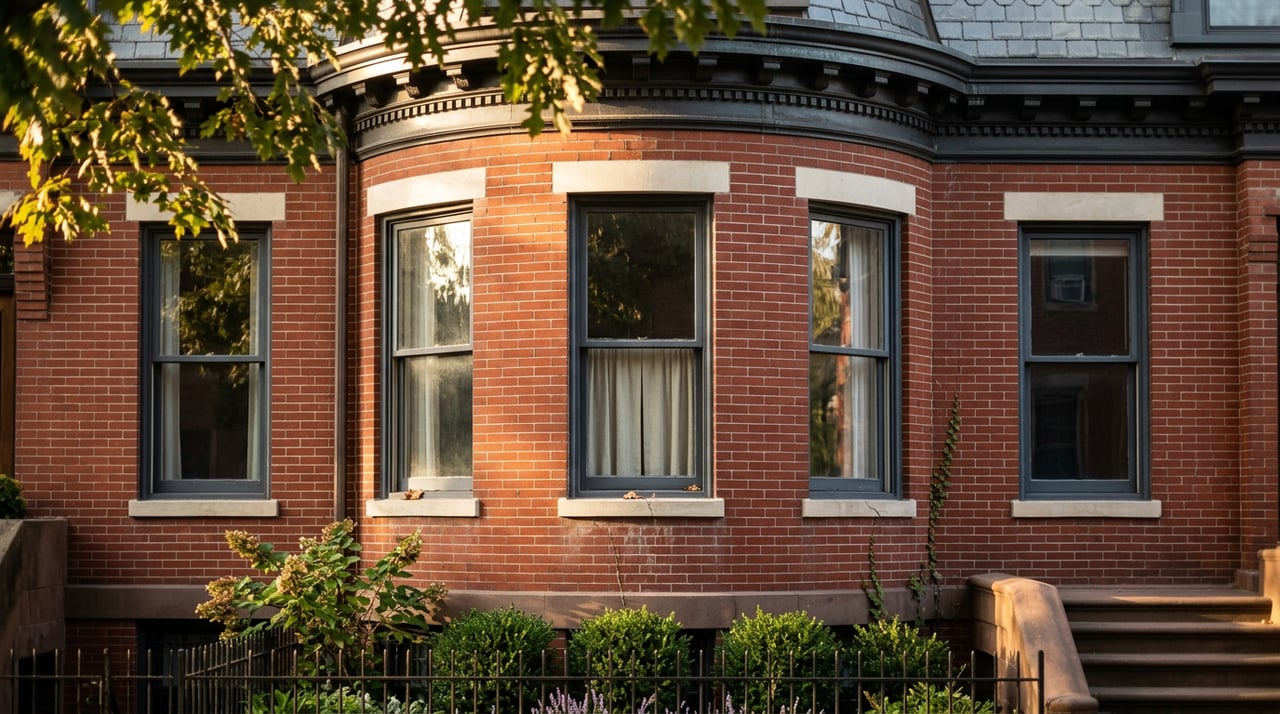
A Georgetown rowhouse is not one single look. The district includes Federal, Greek Revival, Victorian, Italianate, Queen Anne, and other architectural styles. Some homes feel simple and understated, while others have more ornate details, so it is worth looking closely at each property rather than assuming every rowhouse will live the same way.
Outdoor space is usually compact
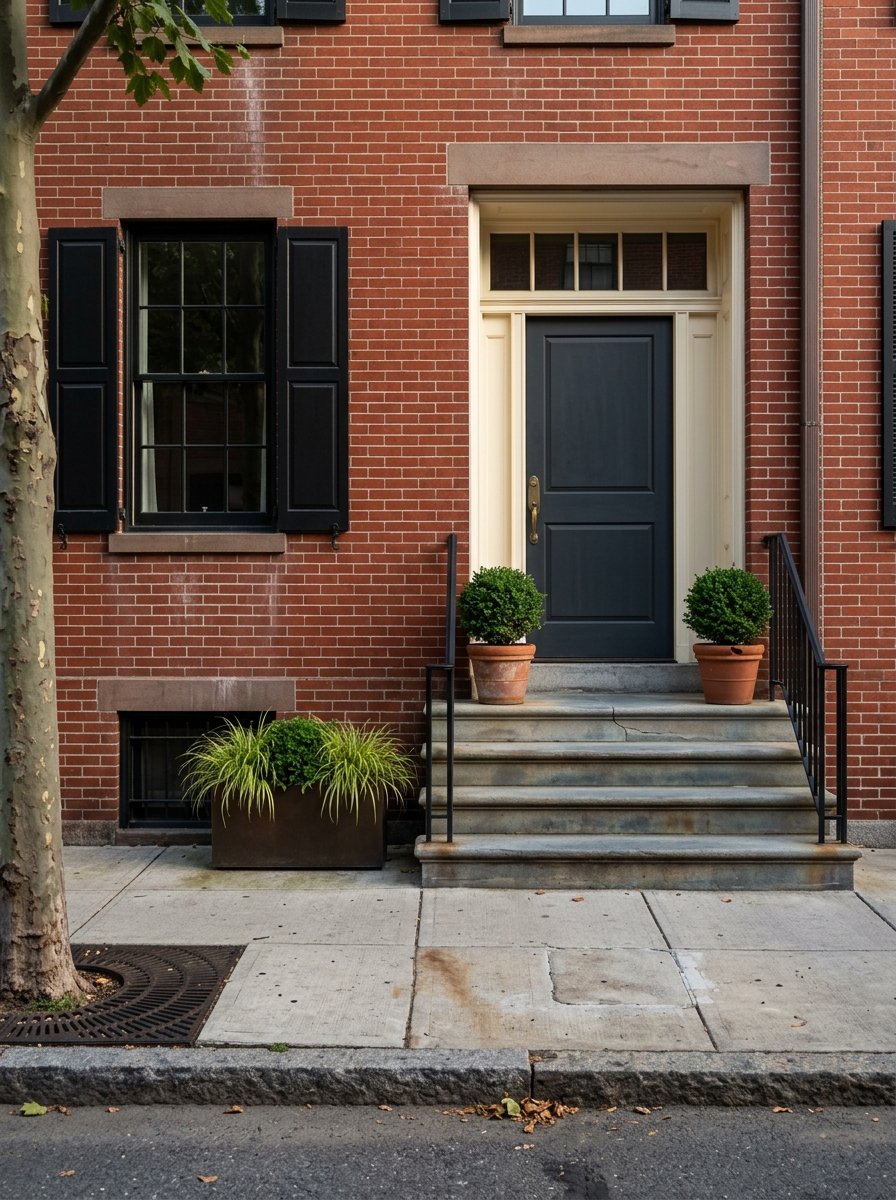
If outdoor space is high on your wish list, Georgetown calls for a different mindset. Here, gardens and patios are often smaller and more intentional, with front stoops, rear patios, and limited terraces doing the work of a much larger yard. In many homes, outdoor living feels more like a set of smaller spaces than one large backyard.
The Old Georgetown Board treats landscape features, side yards, and mature trees as important parts of the neighborhood’s character. It discourages changes that erase side yards, add excessive paving, or create highly visible alterations that do not fit the historic setting. That means you should expect outdoor projects to require more planning than they would in a less regulated neighborhood.
Rear space often matters most
One practical detail many buyers overlook is the role of alleys. Georgetown has a long history of alley buildings, rear garages, sheds, carriage houses, and other structures behind the main homes. In fact, the DC Historic Alley Buildings Survey identified 253 alley buildings in Georgetown.
For you as an owner, that can mean some of the most functional extra space may sit at the back of the lot rather than in the front. Depending on the property, rear access, a small outbuilding, or a compact garage area may offer flexibility that is not obvious from the street.
Renovation takes more planning
One of the biggest things to expect owning a Georgetown rowhouse is that renovation is rarely just about your personal design preferences. Preservation review shapes many exterior decisions. In Georgetown, the Commission of Fine Arts and the Old Georgetown Board review most exterior work visible from a public street or alley, while the Historic Preservation Review Board and Historic Preservation Office handle exterior work that is not visible from public space.
Because Georgetown predates DC’s modern preservation law, the process here is different from many other historic districts in the city. That does not mean every project is impossible. It does mean you should plan for added review, more detailed decision-making, and timelines that may be longer than expected.
Window decisions matter
Windows are a major example. The Old Georgetown Board considers windows character-defining features and prefers repair of historic windows where possible. On visible elevations, replacement windows are generally expected to match the historic style, often using wood, single-glazed, true-divided-light windows.
For a buyer, that matters both aesthetically and financially. If a home needs window work, you will want to understand whether repair is possible, what materials may be expected, and how visible the windows are from public space.
Large additions face more scrutiny
If your dream is to significantly expand a rowhouse, Georgetown may require more patience. The Board’s addition policy says additions should remain subordinate to the historic building, should not come close to doubling its size, and should avoid major changes to side yards or rooflines. Rooftop additions and highly visible exterior changes can be more time-consuming to plan and approve.
That does not rule out improvement. It simply means the most successful projects are usually the ones that work with the home’s original scale and context instead of fighting against them.
Maintenance is part of the ownership experience
Owning a Georgetown rowhouse often means being proactive about upkeep. Brick, wood details, roofing, gutters, masonry, windows, doors, and basement areaways can all become part of your maintenance checklist over time. Historic ownership is often less about dramatic change and more about consistent care.
The good news is that not every task triggers formal review. DC guidance says ordinary exterior maintenance, painting, storm windows, and window repair are generally exempt from preservation review. Interior alterations are also generally outside preservation review unless a space has a special designation.
Routine work still deserves a plan
Even when review is not required, it helps to approach maintenance thoughtfully. Small issues can become larger repairs when they are delayed, especially in older homes. If you are buying a Georgetown rowhouse, it is wise to budget for ongoing preservation-friendly upkeep rather than assuming costs will look like those of a newer townhome.
Parking can be a real lifestyle shift
Parking is one of the clearest tradeoffs of Georgetown living. Residential street parking on Georgetown’s residential streets is generally limited to two hours for vehicles without a Zone 2 Residential Parking Permit. DC DMV also notes that residential parking permits apply to the permit area of the vehicle’s registered address and must be updated if the owner moves zones.
In everyday life, that means guests, second cars, and service visits may take more coordination. If a property does not already have dedicated parking, you should not assume adding it later will be simple, especially since new curb cuts and extra paved parking in front yards are strongly discouraged.
Car-light is often easier than car-free
Georgetown can still work well if you drive less often. Georgetown BID notes there are 20 parking lots and garages with more than 3,800 total spaces, along with more than 470 shops, restaurants, and institutions in the area. The neighborhood also offers access to biking routes, the waterfront, and a short walk to the Foggy Bottom-GWU Metro station.
For many owners, the sweet spot is a car-light lifestyle rather than a fully car-free one. If you value walkability and are comfortable planning ahead for parking, Georgetown can feel very convenient. If daily driving and easy curb access are top priorities, the adjustment may feel more noticeable.
Daily life feels intimate and walkable
One of the reasons buyers are drawn to Georgetown is the feel of the neighborhood itself. The residential area north of M Street is tree-lined and includes small parks, historic houses, and museums. That gives the neighborhood a close-knit, walkable feel even though it sits in a central part of the city.
For you, that often translates into a lifestyle built around shorter walks, recognizable streetscapes, and homes that feel tied to the history of the block. The tradeoff is that convenience looks different here. You may get less private space and more rules, but in return you get a setting that is hard to duplicate elsewhere in DC.
Is a Georgetown rowhouse right for you?
A Georgetown rowhouse can be a great fit if you value historic character, walkability, and the experience of living in a distinctive DC neighborhood. It can also suit buyers who are comfortable with small-lot living, multi-level layouts, and preservation-minded maintenance. In many cases, the appeal is not about having the biggest home or yard. It is about owning a home with lasting character in a place with a strong sense of identity.
On the other hand, if you want a large yard, simple exterior renovations, or easy everyday parking, you may feel those tradeoffs more here than in other neighborhoods. The key is knowing what ownership really looks like before you buy.
If you are weighing Georgetown against other Northwest DC options, working with an advisor who understands both the lifestyle details and the housing stock can make your decision much clearer. For personalized guidance on Georgetown rowhouses and other DC homes, reach out to Levin Group Real Estate.
FAQs
What is daily life like in a Georgetown rowhouse?
- Daily life often means multi-level living, compact outdoor space, and a walkable neighborhood setting with more planning around parking and exterior upkeep.
What should buyers know about Georgetown historic district rules?
- Buyers should know that many exterior changes are subject to preservation review, especially work visible from a public street or alley.
What kind of outdoor space do Georgetown rowhouses usually have?
- Most Georgetown rowhouses have smaller outdoor areas such as front stoops, small gardens, rear patios, or limited terraces rather than large private yards.
How hard is it to renovate a Georgetown rowhouse?
- Renovation can take more planning than in newer neighborhoods because additions, window replacements, roofline changes, and other exterior updates may face historic review.
What is parking like for Georgetown homeowners?
- Parking can be limited, with residential permit rules and added logistics for guests or homes without dedicated parking, so many owners find a car-light routine easier than car-dependent living.