Looking for a place that gives you a real downtown, strong transit, and a wide range of homes without leaving Montgomery County? Rockville stands out because it blends suburban space with everyday convenience in a way that feels practical for real life. If you are thinking about buying, selling, or simply getting to know the area better, this guide will walk you through what daily life in Rockville actually looks like. Let’s dive in.
Why Rockville Draws So Much Interest
Rockville is the seat of Montgomery County and sits less than 15 miles northwest of Washington, D.C. The city had an estimated population of 68,417 as of July 1, 2025, and it offers a mix of established neighborhoods, transit access, and a compact downtown core.
The city profile also points to a well-educated and diverse community. Median household income is $128,649, 65.6% of adults have a bachelor’s degree or higher, and 35.6% of residents are foreign-born. For many buyers, that combination signals a city with both local stability and regional appeal.
Rockville Lifestyle Starts Downtown
If you want the most walkable, active part of Rockville, Town Center is the place to know. City planning describes Rockville Town Center as the downtown core and a hub for sustainable, walkable, transit-oriented living.
At roughly 200 acres, Town Center feels more like a compact downtown than a typical suburban shopping area. That matters in everyday life because you can run errands, meet friends, grab dinner, and spend time outdoors without covering a lot of ground.
Town Center Amenities
Town Center Park sits at the heart of downtown and gives the area an easy gathering point. It includes seating areas, an interactive fountain, a stage for concerts and community events, and walking-distance access to restaurants and businesses.
The Square at Rockville Town Center adds another layer of convenience. It includes restaurants, retailers, public gathering space, free public Wi-Fi, and 90 minutes of free parking. That makes it useful whether you are planning a night out or just fitting errands into a busy day.
Community Events Add Energy
Seasonal programming helps downtown feel active beyond the workweek. One example is Hometown Holidays, which brings music, food vendors, artisan shopping, and kids’ entertainment to Town Center.
For buyers who care about lifestyle, these city-supported events are a meaningful part of the picture. They create regular opportunities to enjoy the area without needing a long drive or complicated plans.
Parks and Outdoor Space Matter Here
One of Rockville’s biggest lifestyle strengths is its park system. The city says it owns and maintains more than 1,100 acres of parkland, which gives residents access to a wide range of outdoor spaces across the city.
That scale matters because it supports different kinds of routines. You might want a quiet walk, a bike ride, time at a nature center, or a larger civic park with cultural amenities.
Key Parks and Trails
Civic Center Park is one of the city’s standout destinations. It brings together Glenview Mansion, Croydon Creek Nature Center, the F. Scott Fitzgerald Theatre, formal gardens, and a forest preserve in one setting.
For walking and biking, the Carl Henn Millennium Trail is a major local feature. It is a 10.6-mile shared-use loop around the center of Rockville, making it a practical option for recreation and a strong quality-of-life asset for people who want easy outdoor access.
What Commuting Looks Like in Rockville
Transit is a real advantage in Rockville, but it is not evenly distributed across every part of the city. In general, the strongest transit convenience is near Town Center, Rockville Metro, Twinbrook, and the MARC station, while farther-out detached-home areas tend to feel more car-oriented.
That distinction is important if your daily routine depends on train access, bus connections, or a shorter drive to transit. Rockville can support both lifestyles, but where you live will shape how that feels day to day.
Metro, MARC, and Bus Options
Rockville has two Red Line Metrorail stations within city limits: Rockville and Twinbrook. Shady Grove is also just outside the city boundary, adding another nearby option.
The Rockville station is also a MARC stop, located at 307 S. Stonestreet Ave. WMATA lists 524 all-day parking spaces, 22 short-term metered spaces, 60 bike racks, and 40 lockers there, which adds flexibility if you plan to drive or bike to the train.
Montgomery County’s transportation information says Rockville is served by WMATA, Ride On buses, MARC, and Amtrak. The county also highlights future bus rapid transit projects on MD 355 and Veirs Mill Road, with the Veirs Mill Road line serving Rockville Metro station.
A Connected Regional Hub
In March 2026, Maryland designated the Rockville Metro station area as transit-oriented development. That designation reflects the strength of the area’s connections, including the Red Line, MARC Brunswick Line, and Amtrak service.
For buyers thinking long term, that kind of public investment and planning focus can be worth watching. It points to continued attention around downtown and the station area as Rockville evolves.
How Walkable Is Rockville?
The honest answer is partly walkable. Town Center and the main transit nodes offer the most walkable experience, especially if you want dining, public spaces, and train access close together.
Outside those areas, Rockville still functions in many ways like a suburban, auto-oriented market. That does not make it less appealing. It simply means your day-to-day experience will depend heavily on which part of the city you choose.
Rockville Housing Options at a Glance
Rockville offers a broader mix of housing than many buyers expect. City zoning allows single-unit detached homes, duplexes, townhouses, attached dwellings, and apartments in appropriate zones.
That variety gives buyers more than one path into the market. It also gives sellers a helpful way to understand who may be shopping for their type of property.
Transit-Adjacent Condos and Apartments
Near Town Center and major stations, you are more likely to find condos, apartments, and other higher-density housing. The city identifies Town Center as its highest-intensity mixed-use district, and the Rockville 2040 plan emphasizes additional housing and higher density there.
For buyers who prioritize transit, lower-maintenance living, and access to downtown amenities, these areas often make the most sense. They can be especially appealing if you want convenience built into your routine.
Established Detached-Home Neighborhoods
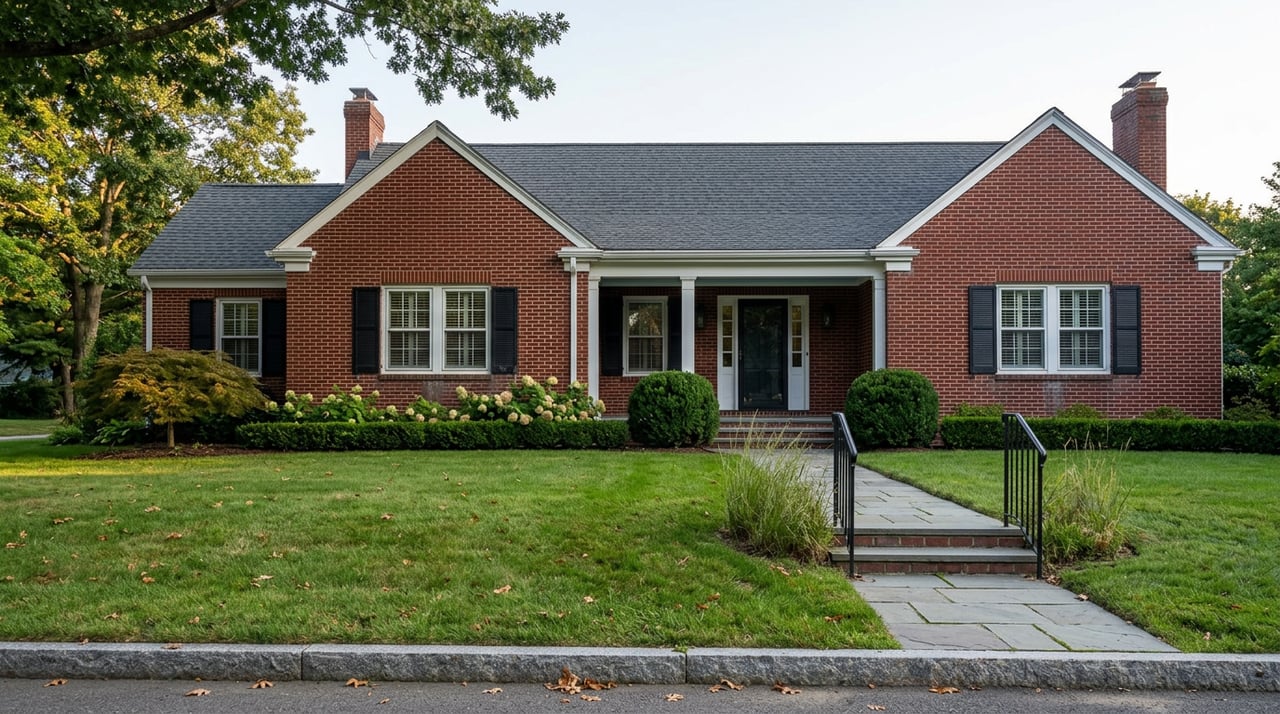
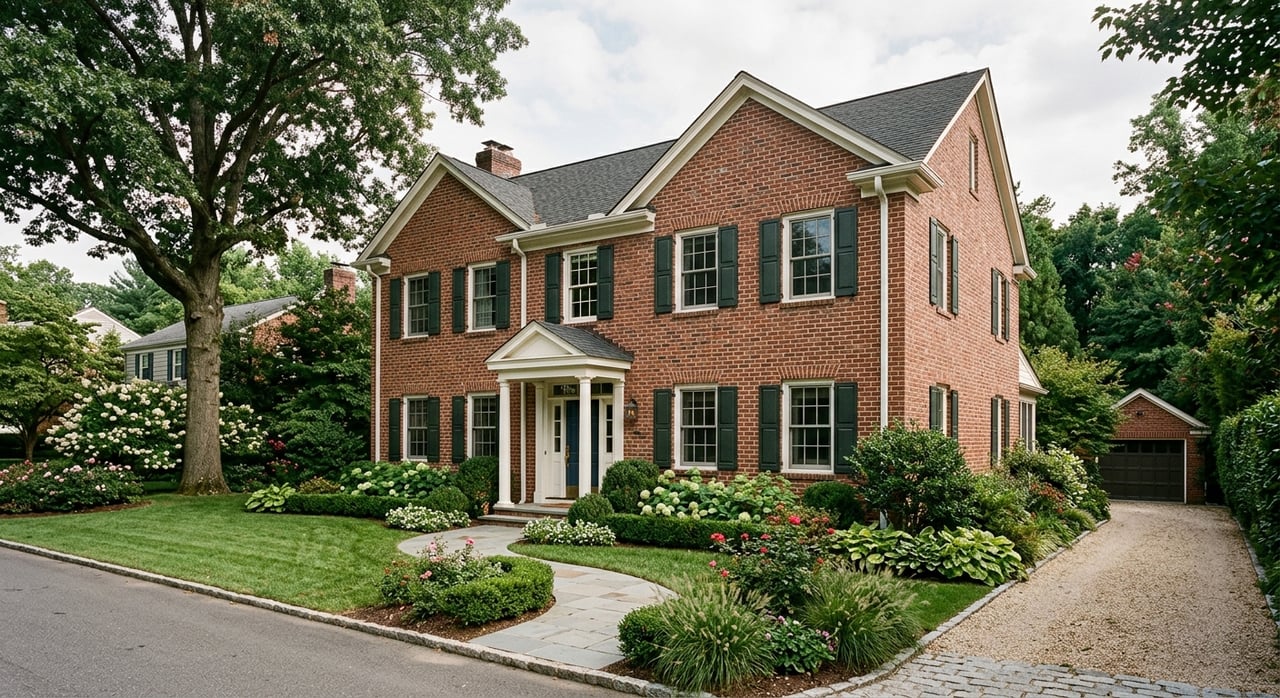
Rockville also has many established neighborhoods with detached homes. These areas tend to offer a more traditional suburban feel, and they are usually more car-oriented than the transit-focused parts of the city.
If you want more space, a different streetscape, or a home style that feels more classic and established, these neighborhoods may be where your search naturally leads.
Newer Mixed-Use and Evolving Areas
Some buyers are especially interested in areas shaped by ongoing planning and transit investment. In Rockville, that often means places near Town Center and the station area, where mixed-use and transit-oriented development continue to be part of the city’s long-term vision.
This does not mean every block is changing at the same pace. It does mean buyers should pay attention to how location, zoning, and public investment may influence the feel and function of an area over time.
Rockville Home Prices and Market Context
Rockville sits in a mid-to-upper suburban price range. Census QuickFacts puts the median value of owner-occupied housing units at $682,300, while the owner-occupied housing unit rate is 52.6%.
On the rental side, median gross rent is $2,274. That adds useful context for people comparing the cost of renting versus buying in the area.
A May 2026 market snapshot from Realtor.com showed 519 homes for sale in Rockville, a median listing price of $676,900, and a median of 26 days on market. While market conditions can change, those numbers suggest a market with meaningful activity and pricing that reflects Rockville’s location and amenities.
What This Means for Buyers and Sellers
If you are buying in Rockville, it helps to start with your daily priorities. Do you want transit first, a more walkable routine, and easier access to downtown amenities? Or do you want a more traditional suburban setting with a different housing style and rhythm?
If you are selling, Rockville’s variety is part of the opportunity. Buyers are often comparing very different lifestyle options within the same city, so clear positioning matters. A condo near transit and a detached home in an established neighborhood may both be desirable, but they need different marketing stories.
That is where local guidance becomes especially valuable. Understanding how buyers see Town Center, station access, park proximity, and home type can help you make better decisions whether you are entering the market or preparing to list.
If you are weighing a move in Rockville or elsewhere in Montgomery County, Levin Group Real Estate can help you sort through the lifestyle, pricing, and neighborhood tradeoffs with clear, practical advice.
FAQs
How walkable is everyday life in Rockville, MD?
- Rockville is partly walkable. Town Center and areas near transit stations offer the most walkable experience, while many other parts of the city are more car-oriented.
What transit options are available in Rockville, MD?
- Rockville is served by Red Line Metro stations at Rockville and Twinbrook, plus nearby Shady Grove, along with MARC, Amtrak, WMATA, and Ride On bus service.
What kinds of homes can you find in Rockville, MD?
- Rockville offers a mix of detached homes, duplexes, townhouses, attached dwellings, apartments, and transit-oriented housing near Town Center and station areas.
What is the Rockville, MD housing market like?
- Recent data places Rockville in a mid-to-upper suburban price range, with a median owner-occupied home value of $682,300 and a May 2026 median listing price of $676,900.
What amenities shape daily life in Rockville, MD?
- Everyday life in Rockville is shaped by Town Center dining and gathering spaces, community events, more than 1,100 acres of parkland, and trails like the 10.6-mile Carl Henn Millennium Trail.