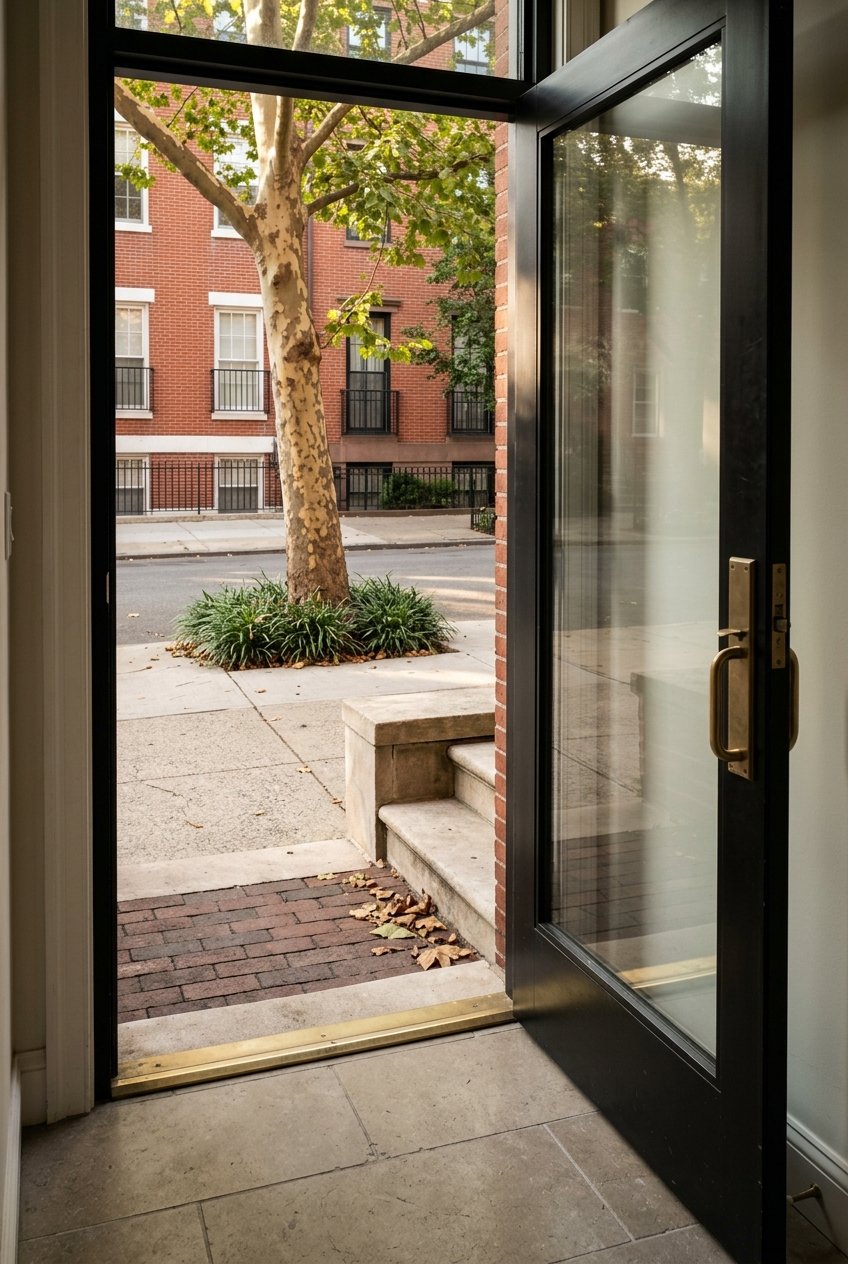
Want to live in D.C. without planning your day around parking, gas, and traffic? In Shaw and Logan Circle, that goal is much more realistic than many buyers expect. If you are considering a condo, rowhome, or townhouse in Northwest D.C., these two neighborhoods offer a practical mix of walkability, transit access, bike infrastructure, and everyday conveniences. Let’s take a closer look at what car-free living here really means.
Why Shaw and Logan Circle Fit Car-Free Life
Shaw and Logan Circle are among the most walkable areas in central Washington, D.C. Walk Score rates the combined Logan Circle-Shaw area at 97 for walking, 88 for transit, and 96 for biking. Logan Circle itself also scores 97 and ranks as one of the city’s most walkable neighborhoods.
For you, that translates into a lifestyle where daily errands often do not require a car. Coffee, groceries, restaurants, transit stops, and bike share can all be part of your normal routine within a relatively compact area.
Another reason these neighborhoods work so well is their physical layout. Planning materials describe both Logan Circle and Shaw as rowhouse-heavy areas, with Logan Circle made up mostly of rowhouses and Shaw known for its 2- and 3-story historic housing stock. That built form naturally supports shorter trips, active streets, and a more connected daily experience.
Transit Access in Shaw and Logan Circle
If you want to live without a car, transit has to be easy, not occasional. Shaw and Logan Circle benefit from strong rail and bus access that supports commuting, social plans, and routine errands.
Metro Stations Support Walk-In Living
Shaw-Howard U serves the Green and Yellow lines. McPherson Square, which is useful for Logan Circle access, serves the Blue, Orange, and Silver lines. Both stations list no parking and include bikesharing access, which reinforces their role as true walk-in transit hubs rather than park-and-ride stops.
That matters because car-free living works best when transit feels built into the neighborhood itself. In this part of D.C., Metro is not something you drive to. It is something you walk or bike to.
Bus Routes Fill In the Gaps
WMATA’s updated bus network gives the area several helpful routes. The D50 and D5X run along 14th Street through Logan Circle, with D50 operating 24 hours and both routes included in WMATA’s frequent-service network.
In Shaw, the D4X runs along 7th Street and Georgia Avenue and serves Shaw-Howard U, Mount Vernon Square, and Gallery Place. The C91 uses P Street NW to connect Logan Circle with Dupont Circle and Georgetown. Together, these routes make it easier to get around without relying only on rail.
Biking Makes Short Trips Easier
For many residents, biking is the piece that makes a car-light lifestyle feel flexible. DDOT’s bicycle map highlights bike lanes, cycle tracks, routes, trails, and Capital Bikeshare stations throughout the area.
Recent corridor improvements also support safer and more direct trips. Examples in and near the area include the 9th Street NW protected bike lane project and a protected bike lane segment tied to the 14th Street bus-lane project.
Capital Bikeshare adds another practical option. The system operates more than 800 stations and 8,000 bikes across the region, and an annual membership costs $120 billed upfront. If you do not want to own a bike, that gives you another way to handle short trips, first-mile and last-mile commuting, or quick errands.
Daily Errands Without a Car
The biggest question most buyers ask is simple: can you actually live day to day without a car? In Shaw and Logan Circle, the answer is often yes, especially if your routine centers on groceries, dining, transit, and neighborhood services.
Grocery Options Nearby
In Logan Circle, Whole Foods at 1440 P Street NW is open from 7 a.m. to 10 p.m. and offers delivery, pickup, and Amazon Returns. In the Shaw area, Giant Food at 1400 7th Street NW lists hours of 6 a.m. to 10 p.m.
That gives you two practical grocery anchors in the neighborhoods. When combined with delivery and pickup options, many routine shopping needs can be managed without loading up a car trunk.
Dining and Coffee Are Part of the Lifestyle
Logan Circle’s 14th Street corridor is known for dozens of restaurants plus a mix of indie and national-brand shops. Shaw’s commercial areas along 7th and 9th Streets and within historic alleys add more restaurants, cafés, and entertainment venues.
Examples in Shaw include Dacha Beer Garden, The Dabney, Compass Coffee, and La Colombe. Logan Circle examples include Le Diplomate, Doi Moi, Colada Shop, Pearl Dive, ChurchKey, and Ted’s Bulletin. You may not choose a home based only on where you can get dinner, but having these options nearby can make everyday life feel much easier and more enjoyable.
What Housing Looks Like Here
Your housing choices in a car-free neighborhood may look different from what you would find in more suburban parts of the DMV. In Shaw and Logan Circle, the built environment tends to favor condos, condo conversions, townhouses, and rowhomes rather than detached single-family homes.
That is consistent with the historic development pattern in both neighborhoods. If you are moving from Bethesda, Chevy Chase, or another lower-density area, the tradeoff is usually less square footage in exchange for location, access, and convenience.
For many buyers, that tradeoff is worth it. If your priority is being able to walk to Metro, pick up groceries nearby, or meet friends without arranging parking, a smaller footprint can come with a bigger lifestyle payoff.
Price Expectations for Buyers and Renters
Price context in Shaw and Logan Circle can vary depending on the source and method used. The available data points are best viewed as directional rather than exact one-to-one comparisons.
Zillow’s April 2026 home value index places Logan Circle at $574,356 and Shaw at $760,169. Redfin’s March 2026 median closed-sale price shows Logan Circle at $825,000 and Shaw Historic District at $915,000.
On the condo side, Redfin shows 94 Logan Circle condos with a median listing price of $550,000. Zillow shows 42 condo or apartment listings in Shaw. For rentals, Zillow examples place Logan Circle around $2,000 for a one-bedroom and $3,477 for a two-bedroom, while Shaw examples range from $2,071 to $2,735 for one-bedrooms, plus a $2,329 studio.
If you are budgeting for a move here, the key point is that car-free convenience usually comes at an urban price point. It can also mean choosing a condo or smaller rowhome instead of the larger detached housing stock found farther out.
Shaw vs. Logan Circle for Daily Living
These two neighborhoods work especially well together. Shaw often functions as the stronger transit anchor, while Logan Circle extends the experience with dense retail and dining access.
That combination can give you a true car-light routine. You may use Metro for commuting, bus service for cross-town trips, bikeshare for short hops, and grocery delivery or pickup to simplify the heavier errands.
Of course, no neighborhood removes every challenge. Bulk shopping and longer trips can still require planning, and many residents handle those needs through transit, rideshare, or delivery services.
Who Should Consider Car-Free Living Here
This lifestyle can be a great fit if you value convenience, flexibility, and neighborhood energy more than extra storage or a private driveway. It may also appeal to first-time buyers, relocating professionals, and anyone who wants a more connected D.C. routine.
If you are deciding between city and suburb, this is where local guidance really helps. The right fit depends on your commute, your home-size priorities, and how often you expect to rely on walking, Metro, biking, or delivery.
At Levin Group, we often help buyers compare these tradeoffs across Northwest D.C. and nearby suburban markets. If you want help weighing lifestyle against space, budget, and long-term goals, Levin Group Real Estate is here for a personalized consultation.
FAQs
Is Shaw a good neighborhood in D.C. for living without a car?
- Yes. Shaw has strong access to the Shaw-Howard U Metro station, multiple bus routes, nearby grocery options, and a walkable street network that supports many daily errands without a car.
Is Logan Circle walkable for daily errands and dining?
- Yes. Walk Score rates Logan Circle at 97 for walking, and the area includes grocery options, retail, restaurants, and bikeshare access that can support daily life on foot.
What types of homes are common in Shaw and Logan Circle?
- The housing mix is largely made up of condos, condo conversions, rowhomes, and townhouses, reflecting the historic rowhouse character of both neighborhoods.
How much do homes cost in Shaw and Logan Circle?
- Recent snapshots vary by source, but the available data shows Logan Circle and Shaw in mid- to upper-price urban ranges, with condo options generally offering a lower entry point than many closed-sale median prices for the broader neighborhoods.
Can you rely on biking in Shaw and Logan Circle?
- Many residents can. DDOT maps show bike infrastructure in the area, nearby corridor projects include protected bike lanes, and Capital Bikeshare provides broad regional access for short trips and commuting.
What is the main tradeoff of car-free living in Shaw and Logan Circle?
- The biggest tradeoff is usually space. Compared with more suburban parts of the DMV, you will often get a smaller home in exchange for stronger walkability, transit access, and nearby amenities.