Wondering what kind of home you will actually find in Bethesda? The answer is not as simple as one style or one era. Bethesda has a mix of classic detached houses, condos in larger buildings, postwar suburban layouts, and a smaller but important set of modern and newer infill homes. If you are trying to match a house style to the way you live, this guide will help you understand what to look for and what each style often means in practice. Let’s dive in.
Why Bethesda Has So Many Home Styles
Bethesda is not a one-style market. According to the 2020 to 2024 American Community Survey, 52.9% of housing units are 1-unit detached homes, while 38.0% are in buildings with 20 or more units. That mix gives buyers a wider range of options than many suburban markets.
The area also reflects several decades of development. About 20.0% of homes were built in the 1950s, 14.0% in the 1960s, and 10.8% in the 1970s. Only 2.7% of units were built in 2020 or later, which means many buyers will see older homes with character, established lots, and layouts tied to the era when they were built.
That age mix matters when you tour homes. In Bethesda, the style name on a listing may not tell the full story. A house called a Colonial may have updates or additions that change how it lives, while a split-level may offer more usable space than its exterior first suggests.
Colonial Homes in Bethesda
What Colonial Revival Looks Like
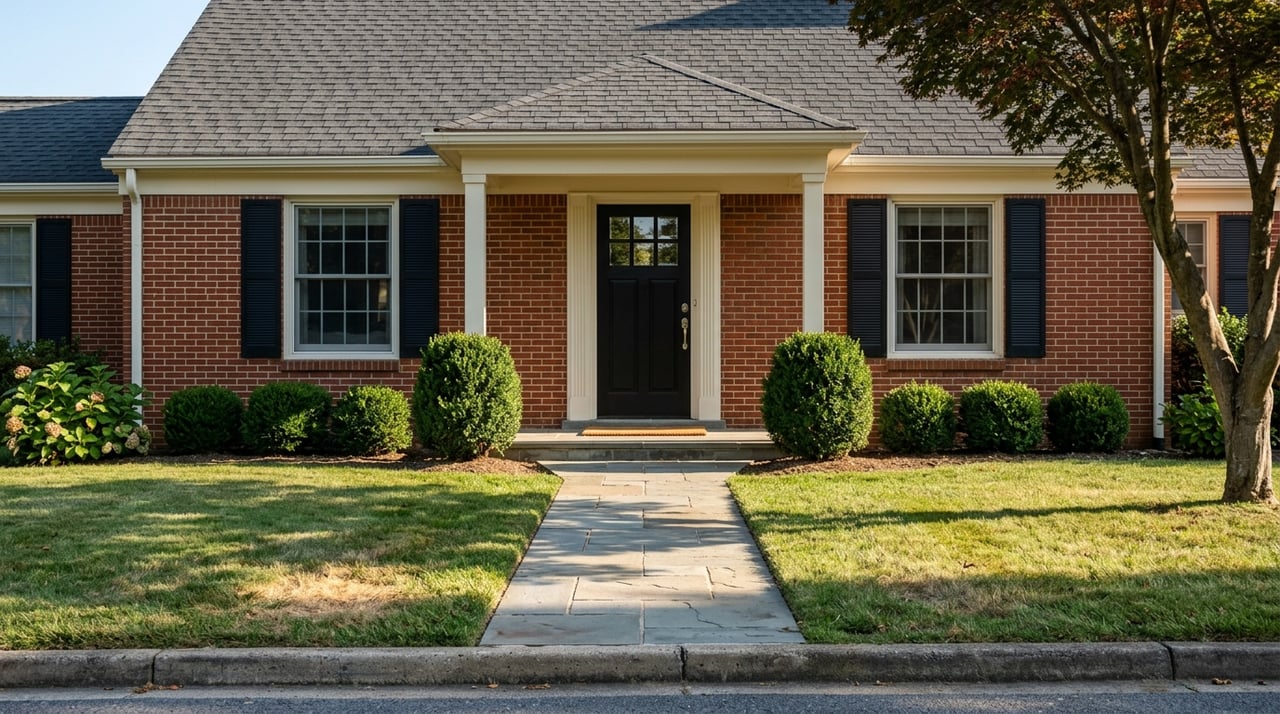
Colonial Revival is one of the classic looks many buyers picture when they think of Bethesda. Maryland historic guidance describes these homes as rectangular and symmetrical, often with a gable or hipped roof, dormers, and sometimes a columned porch. You may also notice evenly spaced windows and a centered front entry.
In practical terms, Colonial homes often feel formal and orderly. The exterior tends to have a traditional, balanced appearance, and the interior may be more room-by-room than fully open. If you like clearly defined spaces for dining, living, and work, this style may appeal to you.
Why Colonials Stay Popular
Montgomery County planning materials connect Colonial Revival homes to the area’s earlier estate and suburban growth periods. Even later two-story homes often borrowed from Ranch or Split-Level forms while still being marketed as colonials. That is one reason buyers should look beyond the label and pay close attention to the roofline, footprint, and floor plan.
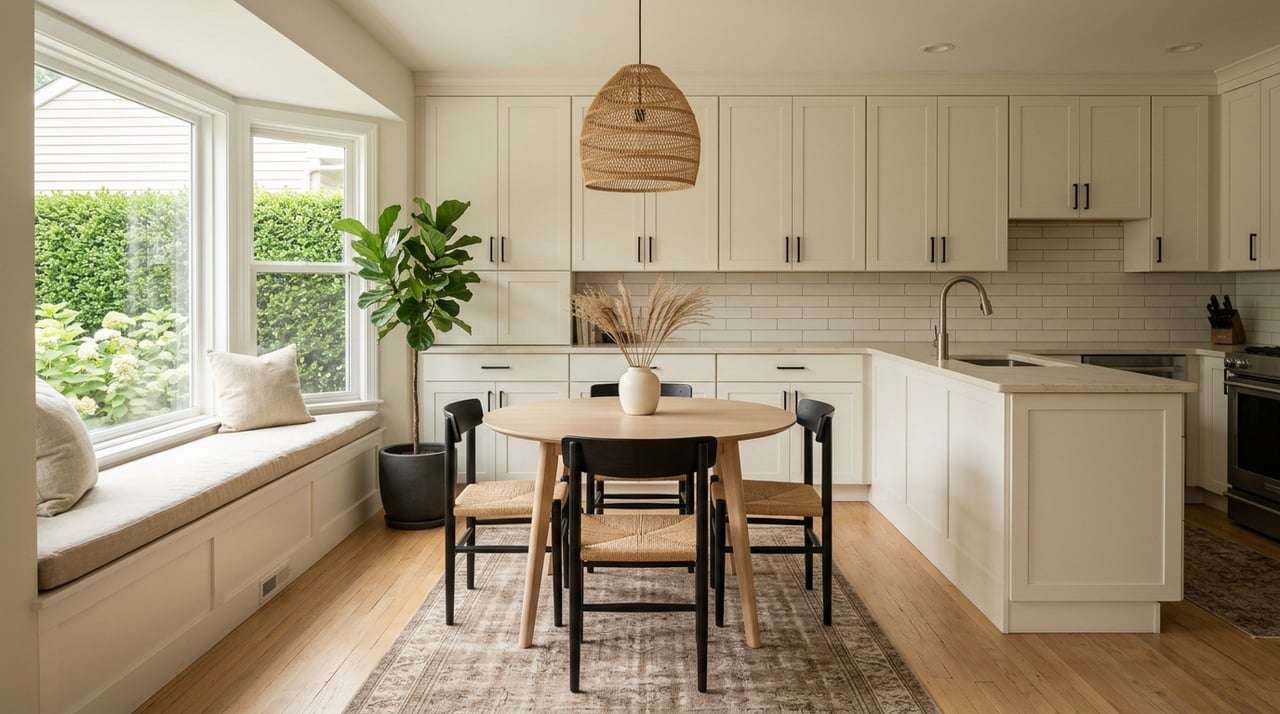
For many modern buyers, the draw is a timeless exterior paired with the chance to update the inside over time. Some homes keep a more traditional layout, while others have been renovated to create larger kitchens or more connected living areas. In Bethesda, that combination of classic curb appeal and renovation potential is part of the style’s staying power.
Cape Cod Homes in Bethesda
What Defines a Cape Cod
Cape Cod homes are usually smaller and simpler in form than a full two-story Colonial. Maryland historic context describes the Cape Cod as a one-and-a-half-story, three-bay house with a central entrance and a high-pitched roof with dormers. On a Bethesda street, these homes often read as compact, charming, and efficient.
Because this style works well on smaller lots, it fits many older suburban blocks. You may see upper-level bedrooms tucked beneath the roofline, along with a straightforward layout on the main floor. For buyers who want a detached home but do not need the scale of a large Colonial, a Cape Cod can be a practical option.
What Buyers Should Expect
Cape Cod homes often offer character and a manageable footprint, but room sizes and ceiling lines can vary. Dormers may help with upstairs space and light, though second-floor layouts can still feel tighter than those in a standard two-story house. If you value simplicity and older-home charm, this style is worth a closer look.
These homes can also be good candidates for additions or updates, depending on the property and any local review requirements. If you are considering changes, it is smart to understand the home’s context early. That is especially true in areas where exterior compatibility review may matter.
Split-Level and Split-Foyer Homes
Why Split Homes Matter in Bethesda
If you are shopping in Bethesda, you will likely come across split-level or split-foyer homes from the 1950s through the 1970s. Maryland historic guidance says these homes became popular because they used a smaller footprint than Ranch houses while maximizing living space. In a market with many postwar homes, this style is an important part of the local housing story.
This is best understood as a house form, not just a look. What defines the experience is how the levels connect and how the rooms are separated. That layout can work well for buyers who want distinct zones for gathering, sleeping, and hobbies.
Split-Level vs. Split-Foyer
A split-level usually places garage or recreation space on the lower level, main living space on the middle level, and bedrooms upstairs. A split-foyer places the front entry between two full levels, with a short run of stairs going up and down. Both forms use level changes to make efficient use of space.
From the outside, you may notice mixed exterior materials and larger picture windows. Some split-foyer homes also show Colonial Revival details, which can make style labels even more confusing. That is why it helps to focus on how the home functions once you walk inside.
Who This Style Often Fits
These homes can be a strong match if you want separation between living areas. You may like having a lower-level recreation room, a more private bedroom level, or a layout that works well on a sloped or uneven lot. Buyers who want a more open main level may still find options, but they should expect a different flow than in a newer open-plan home.
Mid-Century Modern and Custom Modern Homes
Bethesda’s Modernist Side
Bethesda is not only about traditional architecture. Montgomery Planning identifies Carderock Springs, northwest of Bethesda, as a subdivision of 360 modernist houses planned to follow wooded, sloping terrain. That tells you something important about the broader market: modern design has a real place here.
Montgomery Planning also highlights Bethesda’s Seymour Krieger House as an International Style house with an open plan and large plate-glass windows. Architect Charles Goodman designed both builder housing and custom homes in Montgomery County, including examples in Bethesda. For buyers, this means modern homes here are part of the local architectural record, not just a recent trend.
What Modern Buyers May Like
Mid-century modern and custom modern homes often emphasize light, openness, and a stronger connection to the site. You may see large windows, simpler lines, and layouts that feel more open than older traditional homes. On sloping or wooded lots, those design choices can create a very different living experience from a standard suburban floor plan.
These homes tend to attract buyers who care about architecture as much as square footage. If you value natural light, indoor-outdoor feel, and a more distinctive design, Bethesda’s modernist homes may stand out. Inventory is smaller than for Colonials or split-levels, but the style is meaningful in the local mix.
Newer Infill and Redevelopment Homes
Why Newer Homes Look Different Here
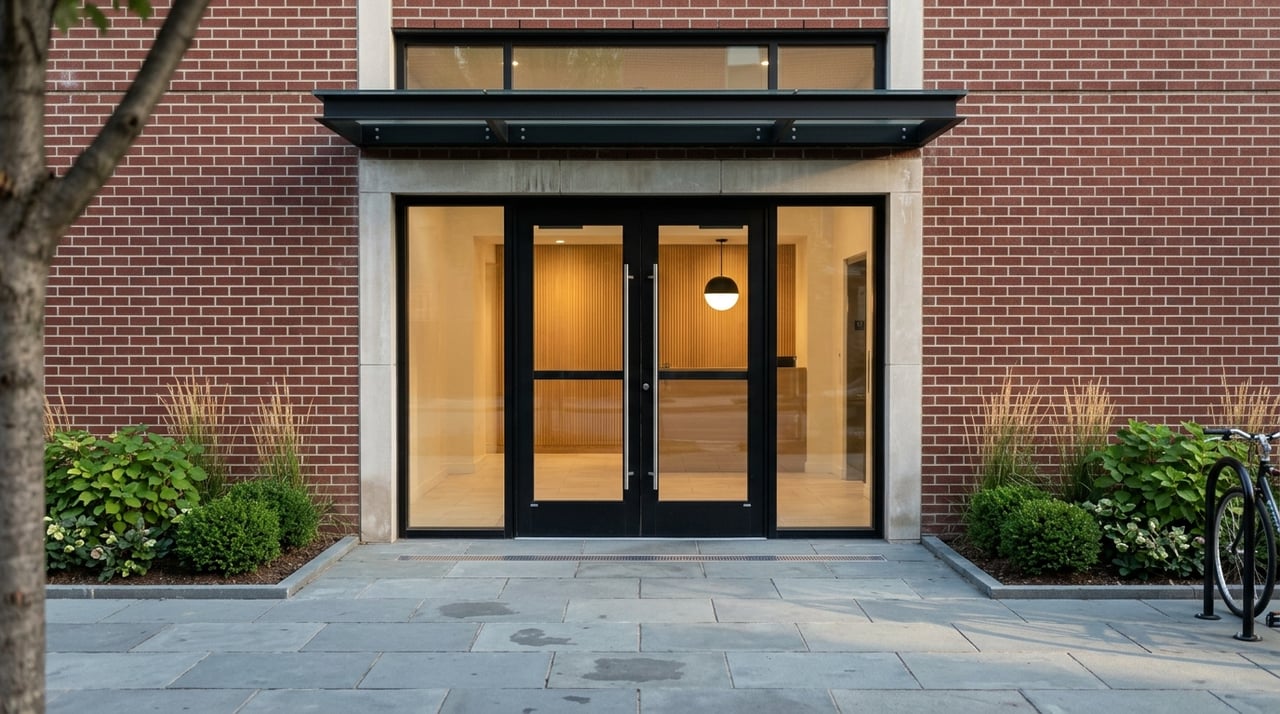
In Bethesda, most newer homes are not part of large new subdivisions. They are more often the result of redevelopment or infill. Montgomery Planning says downtown Bethesda added almost 1,843 new housing units since the 2017 master plan, while only 14 existing units were demolished to make room for that growth.
That pattern helps explain why newer homes in the broader Bethesda market often appear as replacement houses, carefully designed infill, or new multifamily residences. Instead of greenfield expansion, growth tends to happen within an already built environment. For buyers, that means newer construction may sit beside much older homes and established streetscapes.
What to Look For in Newer Homes
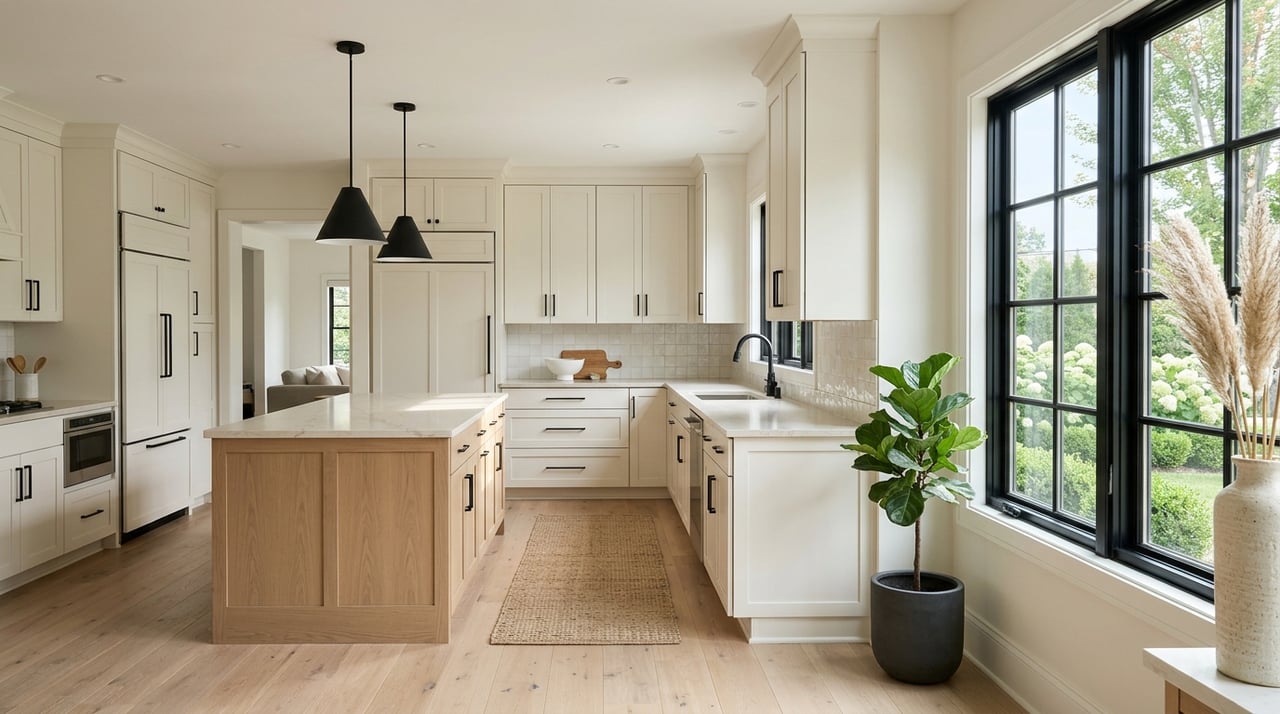
Newer custom builds may offer larger kitchens, more open layouts, newer systems, and design features that fit current tastes. At the same time, the setting can still feel established because these homes are often placed within mature neighborhoods. That mix of modern convenience and older-location appeal is a big part of Bethesda’s draw.
If a home is in or near a historic district, exterior changes and additions may face compatibility review. Montgomery County guidance notes that new infill or additions should be compatible with the primary building and surrounding district while still being distinguishable from the original home. That is worth understanding before you buy if future renovation is part of your plan.
How to Read Past the Listing Label
Focus on Era, Layout, and Lot
One of the smartest ways to shop in Bethesda is to think beyond style labels. A listing description may say Colonial, Cape Cod, or split-level, but the real story is often the combination of era, floor plan, and lot conditions. That is especially true in an area where later homes sometimes borrowed from earlier design language.
As you compare homes, pay attention to:
- The roofline and overall shape
- Whether the layout is formal or open
- How many levels the home uses
- How the house sits on the lot
- Whether the home has been expanded or renovated
- Whether historic review could affect exterior changes
These details will tell you more about day-to-day living than the style name alone.
Matching Bethesda Home Styles to Your Life
The best home style for you depends on how you want to live. If you want classic curb appeal and more defined rooms, a Colonial may fit. If you want a smaller detached home with charm, a Cape Cod may be a great option.
If you need separated spaces or want to make the most of a sloped lot, a split-level or split-foyer may deserve more attention. If you care about architecture, natural light, and open design, Bethesda’s modernist homes can be especially compelling. And if newer finishes and systems are a priority, infill and redevelopment homes may offer the balance you want.
Bethesda gives you more than one path to finding the right fit. Understanding the local housing mix can help you shop with clearer expectations and make faster, more confident decisions.
If you want help sorting through Bethesda home styles, comparing neighborhoods, or identifying the right fit for your goals, reach out to Levin Group Real Estate for a personalized consultation.
FAQs
What are the most common home styles in Bethesda, MD?
- Bethesda has a mix of Colonial and Colonial Revival homes, Cape Cods, split-level and split-foyer homes, condos in larger buildings, a smaller set of mid-century modern homes, and newer infill or redevelopment properties.
How old are many homes in Bethesda, MD?
- Many Bethesda homes date to the postwar period. In the 2020 to 2024 ACS, 20.0% of units were built in the 1950s, 14.0% in the 1960s, and 10.8% in the 1970s.
What should Bethesda buyers know about split-level homes?
- Split-level homes are defined mainly by their multi-level layout. They often separate recreation or garage space, main living space, and bedrooms across different levels, which can make efficient use of space and uneven lots.
Are newer homes common in Bethesda, MD?
- Newer homes are a smaller part of the housing stock. Only 2.7% of units were built in 2020 or later, and many newer properties come through infill or redevelopment rather than large new subdivisions.
What should buyers know about historic districts in Bethesda, MD?
- If a home is in or near a historic district, exterior changes or additions may be subject to compatibility review. It is a good idea to understand that early in the buying process if you may want to renovate later.